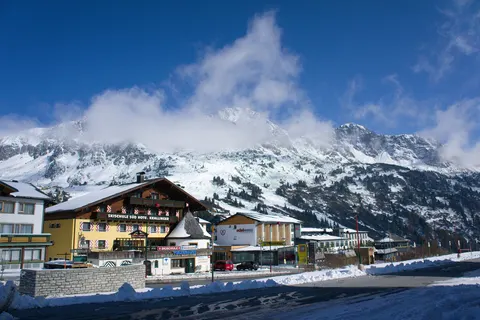
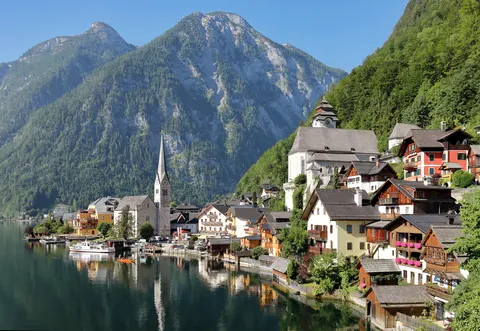
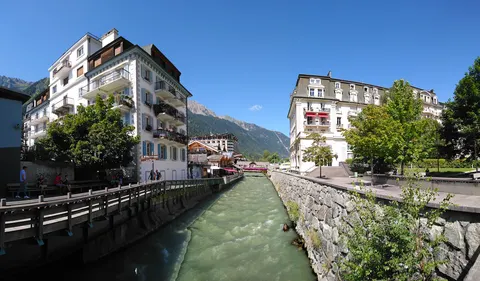
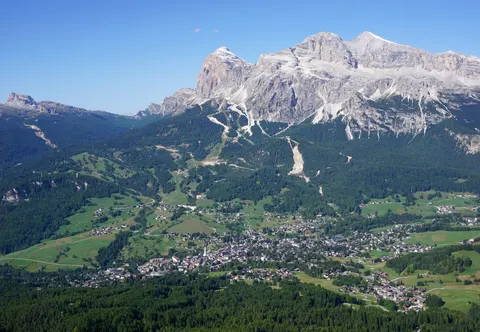
Schladming is a small former mining town in the north-west of the Austrian state of Styria. It is now a popular tourist destination and a large winter-sports resort. The first official mention of the settlement dates to 1180, when it bore a Slavic name, and the place belonged to the Slavic principality of Carantania before German settlers arrived.
Schladming, in Styria, Austria, is home to about 3,452 people.
Why go to Schladming?
Schladming has moved from mining to winter sport. It has held major skiing events, including the FIS Alpine World Ski Championships in 1982 and in 2013, and its shopping area is lined with cafés, restaurants and shops that cater to visitors. Many Slavic elements survive in its culture and language, even though the place gradually acquired a Germanic character during German colonisation. Its history gives the town a layered character, with a Slavic name and an Alpine ski heritage.
When is the best time to visit Schladming?
In July and August the average high reaches 22 °C; in January and December it is closer to 2 °C. If you are after skiing, aim for January, February and December. Nature and hiking trips work best in May, June and September.
How do I get to Schladming without flying?
Schladming has direct bus or train links to 11 destinations. Within 14 hours, travellers from 2,314 destinations can get here without flying. The train from Bischofshofen with OEBB Personenverkehr AG Kundenservice takes 38 min; that is about 0.2 kg of CO₂ per person. Obertauern is 1h 30m away by bus, with about 0.5 kg of CO₂ per person. Travelling from Radstadt, allow 15 min by train with OEBB Personenverkehr AG Kundenservice; that is about 0.1 kg of CO₂ per person.
What to do in Schladming
Planai
A mountain in Schladming.
Skiing in Schladming
January is the ideal month for skiing, with average highs of 2 °C.
Nature and hiking trips in Schladming
June is the ideal month for nature and hiking trips, with average highs of 20 °C.
Find tours and tickets: Nature and hiking trips in Schladming