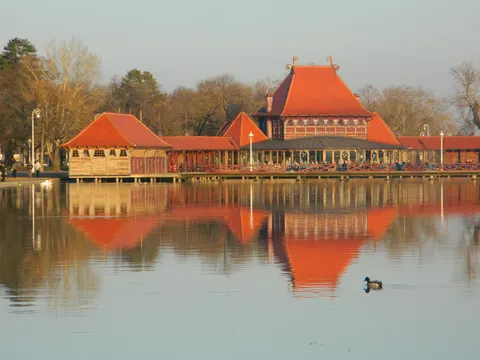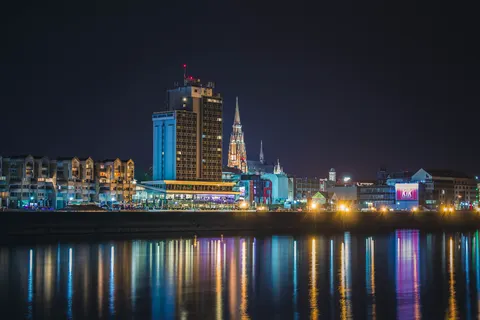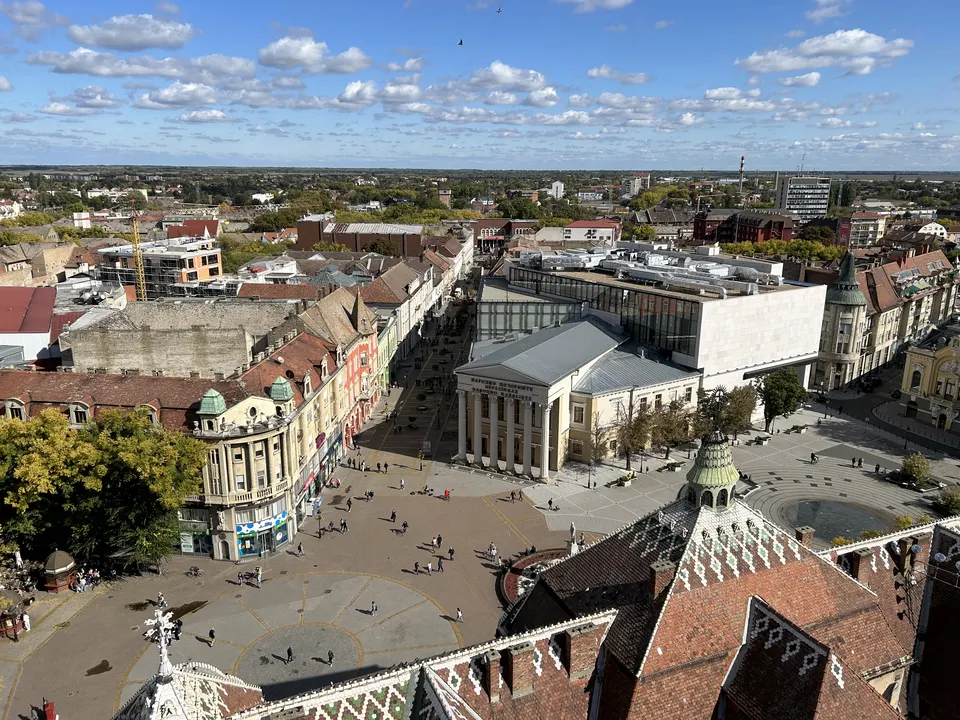

Subotica is a city in Vojvodina, the administrative centre of North Bačka District and the northernmost city in Serbia. It lies in the Pannonian Basin, about 10 kilometres from the Hungarian border. Lake Palić is in its immediate vicinity, and sand dunes stretch north of the city along the border. The city was once the largest in Vojvodina and is now its second largest.
Subotica is in Vojvodina, Serbia, and has a population of about 100,000; it is also a rail hub.
Why go to Subotica?
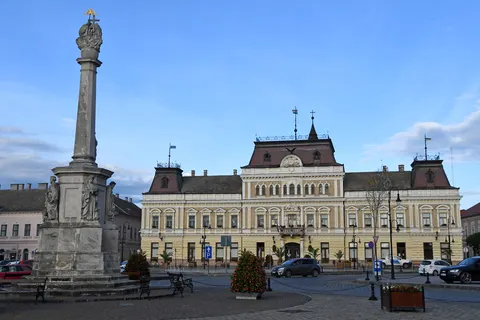
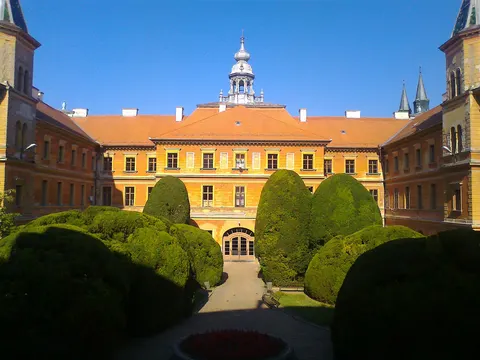
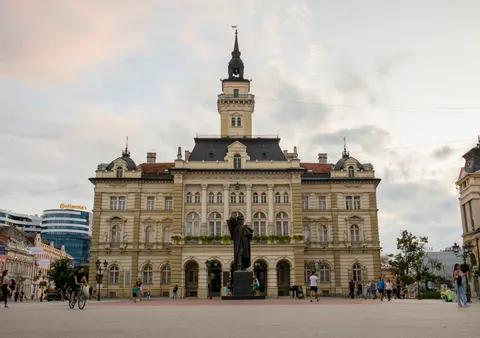
Subotica is known for its buildings in the Hungarian Secession style, a variant of Art Nouveau that mixes plant ornament with traditional Hungarian motifs. The City Hall and the synagogue, both by the architects Marcell Komor and Dezső Jakab, are among the finest examples, and the Reichel Palace is another. The Cathedral of St. Theresa of Avila dates from the late 18th century. Lake Palić and the dunes north of the city give the area a second side beyond the town.
When is the best time to visit Subotica?
July is the warmest, with highs of about 28 °C, and January is the coolest, at about 3 °C. City breaks work best in April, May and October.
How do I get to Subotica without flying?
From 7 destinations you can travel to Subotica directly by bus or train. Counting connections, 894 destinations can reach it within 14 hours without flying. Travelling from Munich, allow 12h 00m by bus with FlixBus-eu; that is about 18 kg of CO₂ per person, 78% less than the 83 kg of a flight. From Novi Sad, it takes 1h 35m by bus with FlixBus-eu, with about 2.6 kg of CO₂ per person. The train from Szeged with Srbija Voz takes 1h 14m; that is about 0.4 kg of CO₂ per person.
What to do in Subotica
Subotica Synagogue
An Art Nouveau synagogue in the Hungarian Secession style, the second largest synagogue building in Europe.
Subotica City Hall
A town hall by Marcell Komor and Dezső Jakab, the same architects as the synagogue, in the same Secession style.
Reichel Palace
An Art Nouveau palace built by Ferenc Raichle, counted among the finest examples of the style in Europe.
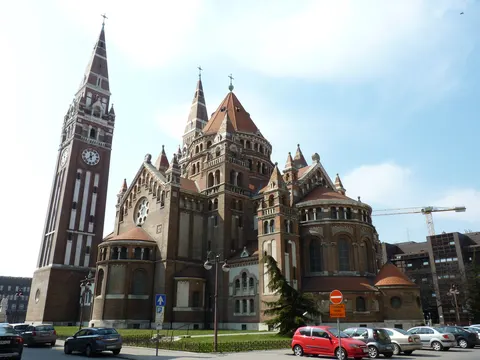
Cathedral of St. Theresa of Avila
A cathedral from the late 18th century, dedicated to St. Theresa of Avila.