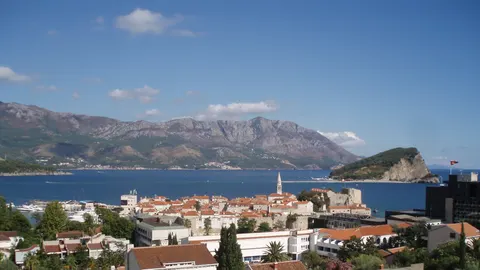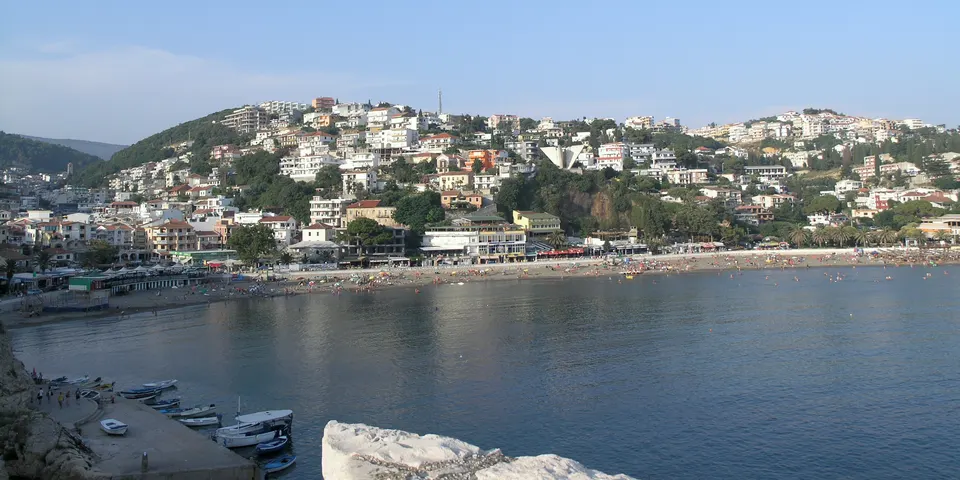

Ulcinj is a town on the coast of Montenegro and the capital of Ulcinj Municipality. One of the oldest settlements on the Adriatic, it was founded in the 5th century BC. With about 11,488 people in the urban area, it is the centre of the Albanian community in Montenegro.
About 11,000 people live in Ulcinj, in Montenegro.
Why go to Ulcinj?
Ulcinj is known for its beaches. Velika Plaža, the Big Beach, is a 12 km stretch of sand and the longest beach on the Montenegrin coast. Mala Plaža lies in the centre of town and is very popular with visitors, and the Korzo promenade separates it from a street of coffee shops. The old town is a well preserved citadel from medieval times, sitting on a rocky bluff over the shore. Ada Bojana is popular with tourists from Western Europe, and Lake Šas and the salt pond draw birdwatchers.
When is the best time to visit Ulcinj?
Expect daytime highs of about 27 °C in July and August, falling to 11 °C in January and February. If you are after beach holidays, aim for June, July and August.
How do I get to Ulcinj without flying?
You can get to Ulcinj without changing from 8 destinations, by bus. With changes, Ulcinj is within 14 hours of 245 destinations without flying. From Bar, it takes 48 min by bus, with about 0.6 kg of CO₂ per person. Travelling from Shkoder, allow 1h 30m by bus; that is about 0.8 kg of CO₂ per person. Budva is 1h 00m away by bus, with about 1.4 kg of CO₂ per person.
What to do in Ulcinj
Velika Plaža
A 12 km sandy beach, the longest on the Montenegrin coast, also known as the Big Beach.
Ulcinj Castle
A medieval citadel on a rocky bluff over the shore, parts of which date back two millennia.
Mala Plaža
A small beach in the centre of town, backed by the Korzo promenade where families and young people gather in summer.
Pasha's Mosque
One of the mosques in the town, among the many religious buildings of the old Ottoman period.