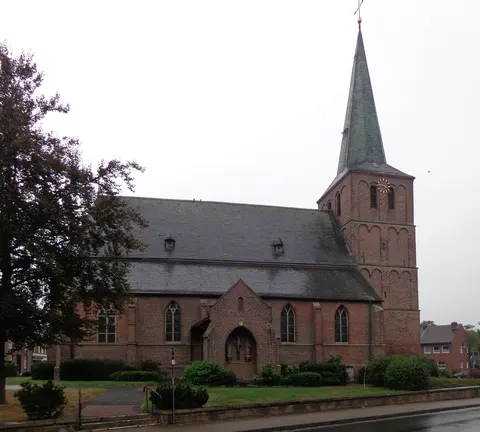
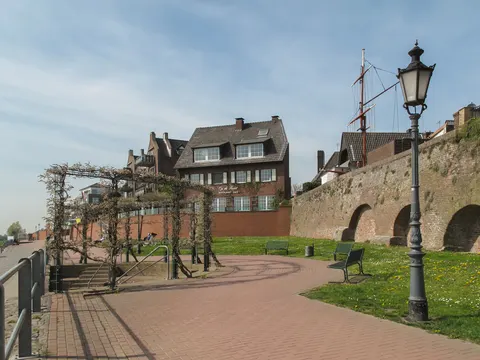
Xanten is a town in the state of North Rhine-Westphalia in western Germany, in the district of Wesel. It is known for an archaeological open-air park built on the site of a Roman settlement, and for its medieval town centre.
Xanten, in North Rhine-Westphalia, Germany, is home to about 22,000 people and works as a rail hub.
Why go to Xanten?
The Archäologischer Park Xanten is one of the largest archaeological open-air museums in the world, built on the site of the Roman colonia Ulpia Traiana. In 2012 the park was extended over nearly the whole area of the Roman town. The medieval town centre has restored historic buildings and the cathedral. Around one million tourists visit each year, and the park is among the most visited in Germany.
When is the best time to visit Xanten?
In July the average high reaches 23 °C; in January and December it is closer to 5 °C. Any month suits city breaks.
How do I get to Xanten without flying?
Xanten has one direct link, by train. Within 14 hours, travellers from 2,257 destinations can get here without flying. The train from Alpen with RheinRuhrBahn takes 9 min; that is about 0.2 kg of CO₂ per person.
What to do in Xanten
Archäologischer Park Xanten
An open-air archaeological park on the site of the Roman colonia, among the most visited parks in Germany.
Xanten Cathedral
The cathedral stands in the medieval town centre, which has historic buildings that have been restored.
Xantener Südsee and Xantener Nordsee
Two lakes linked by a channel, where the Freizeitzentrum Xanten leisure centre has been popular with sailors since 1982.
Find tours and tickets: Xantener Südsee and Xantener Nordsee
KleinMontMartre
An annual event where artists from all over the world show their latest works.