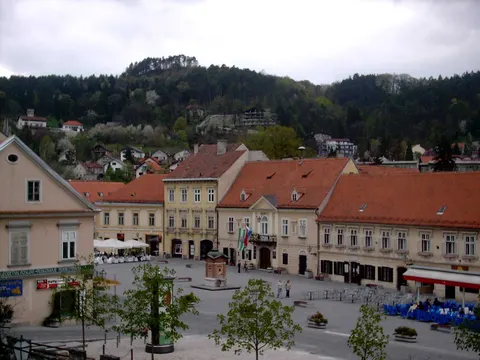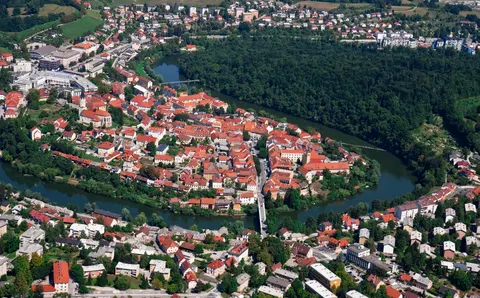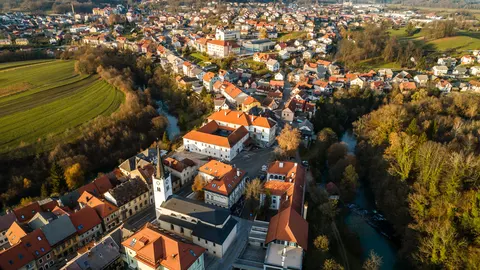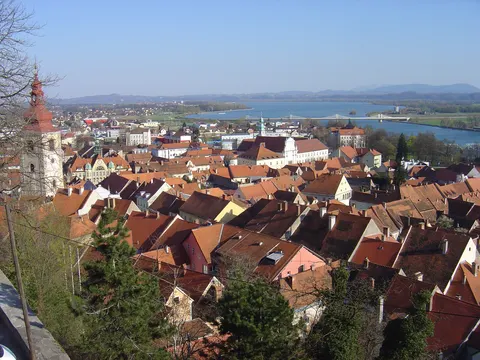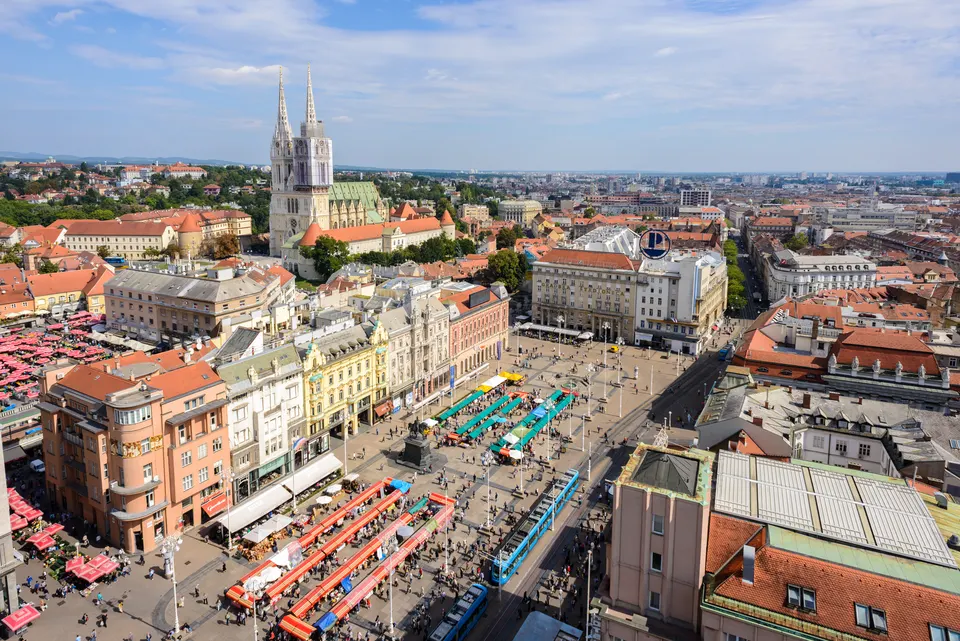

Zagreb is the capital and largest city of Croatia, in the north of the country on the Sava river, at the southern slopes of Medvednica mountain. It is the seat of the central government and the most important transport hub in Croatia, where Central Europe, the Mediterranean and southeastern Europe meet. It ranks as a global city, and it combines a medieval upper town with a modern centre.
With about 664,000 inhabitants, Zagreb lies in Croatia and is a rail hub.
Why go to Zagreb?
Zagreb suits travellers who like history in a compact centre. The old districts of Gradec and Kaptol, once rival settlements, now form the Upper Town, a medieval complex of churches, palaces, museums and galleries that can be reached on foot or by a funicular. St. Mark's Square sits there too, where the Order of the Silver Dragon reenacts historic conflicts between the two districts. The city also has a long tradition of souvenirs, including the necktie, named after Croats who wore scarves in the Thirty Years' War.
When is the best time to visit Zagreb?
Average highs range from 4 °C in January to 27 °C in July and August. April, May and October are the time for city breaks.
How do I get to Zagreb without flying?
Direct bus or train services link Zagreb with 24 destinations. Allowing for changes, 1,613 destinations are no more than 14 hours away without flying. Budapest is 6h 00m away by train with MAV/HŽ, with about 7 kg of CO₂ per person against 38 kg for the flight, 82% less. The bus from Split with FlixBus-eu takes 5h 05m; that is about 7 kg of CO₂ per person, 88% less than the 59 kg of a flight. From Ljubljana, it takes 1h 53m by bus with BlaBlaCar Bus, with about 3.2 kg of CO₂ per person.
What to do in Zagreb
Ban Jelacic Square
The city's central square, named after the Ban of Croatia who united Gradec and Kaptol in 1851.
Zagreb Cathedral
Standing in Kaptol, the older of the two centres that once made up the city, with a history that began in the 11th century.
St. Mark's Square
In the Upper Town, where the historic districts meet and where the Silver Dragon order holds its reenactments.
Stone Gate
The gate where an image of the Virgin Mary is said to be the only thing that did not burn in the 17th-century fire.