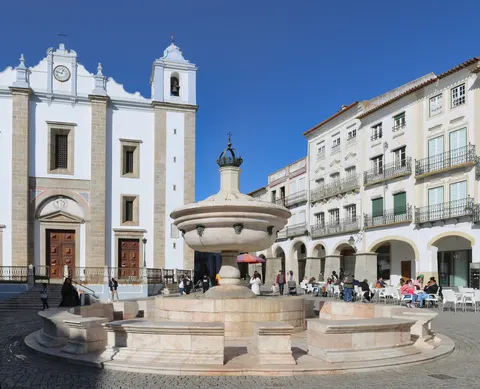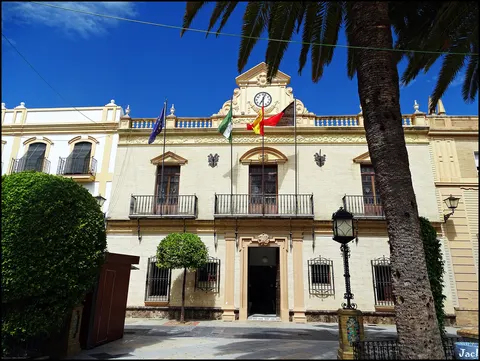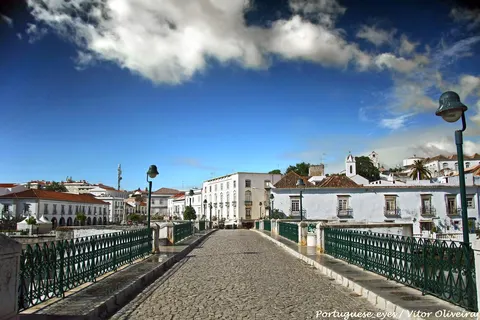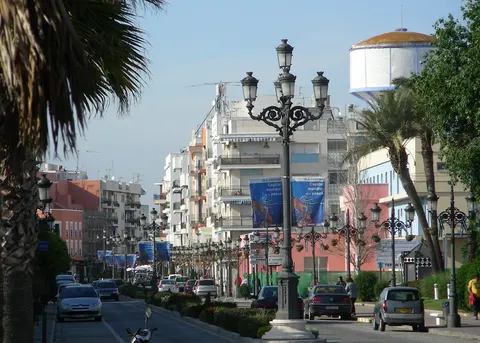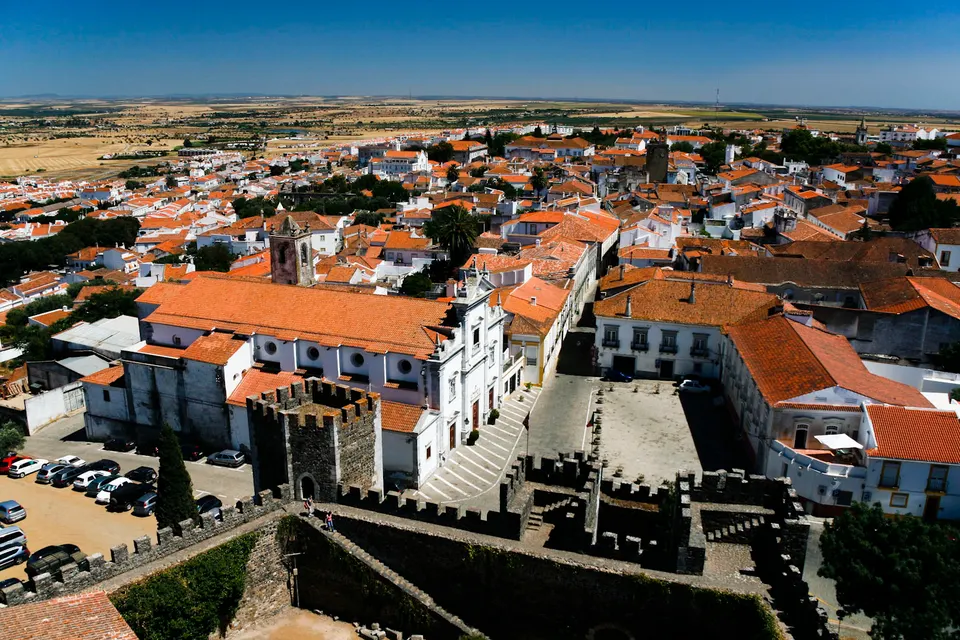

Beja is a city and municipality in the Alentejo region of southern Portugal, and the capital of the Beja district. It sits on a hill 277 metres high, commanding the plains of the Baixo Alentejo. The city was already an important place in antiquity, when Julius Caesar named it Pax Julia, and it later became the seat of a Visigothic bishopric.
Beja is in Portugal and has a population of about 35,000; it is also a rail hub.
Why go to Beja?
Beja is a city shaped by layers of history: Celtic settlement, the Roman Pax Julia and Pax Augusta, the Visigothic Paca and the Arabic Baja that gave the city its modern name. Its castle and medieval city wall still frame the town. The Regional Museum in the former Convent of Beja has a Visigothic core in the Church of Santo Amaro. Jorge Vieira's Art Museum adds a modern collection, and the Roman ruins of Pisões are among the sights of the municipality. When the Jews were expelled from Portugal, Beja became a centre of crypto-Judaism.
When is the best time to visit Beja?
July and August are the warmest, with highs of about 31 °C, and January is the coolest, at about 14 °C. Any month suits city breaks.
How do I get to Beja without flying?
From 4 destinations you can travel to Beja directly by bus or train. Counting connections, 237 destinations can reach it within 14 hours without flying. Travelling from Evora, allow 1h 05m by bus with FlixBus-eu; that is about 1.7 kg of CO₂ per person. From Faro, it takes 2h 26m by bus with FlixBus-eu, with about 3 kg of CO₂ per person. The bus from Albufeira with FlixBus-eu takes 1h 45m; that is about 2.9 kg of CO₂ per person.
What to do in Beja
Castle of Beja
The castle on the town's hill, commanding the plains of the Baixo Alentejo.
Medieval city wall
The wall with its gates, including the Porta de Mértola and the Porta de Aljustrel.
Regional Museum of Beja
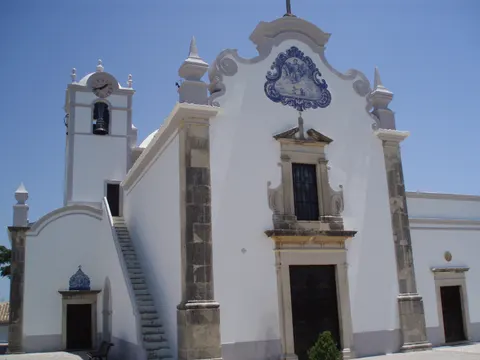
Housed in the Convent of Beja, with a Visigothic core in the Church of Santo Amaro.
Jorge Vieira's Art Museum
An art museum in the town devoted to the work of Jorge Vieira.