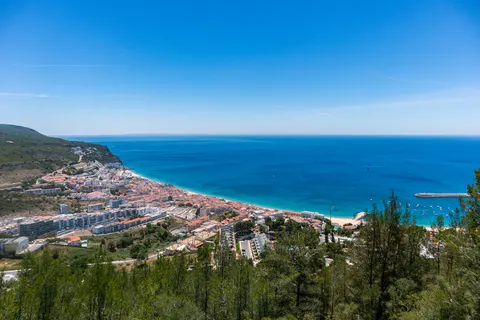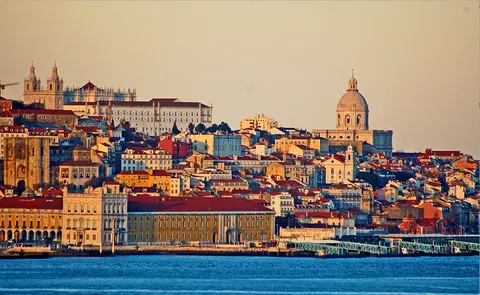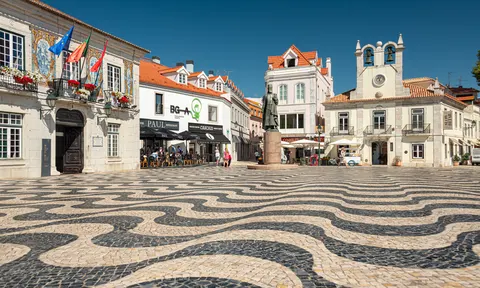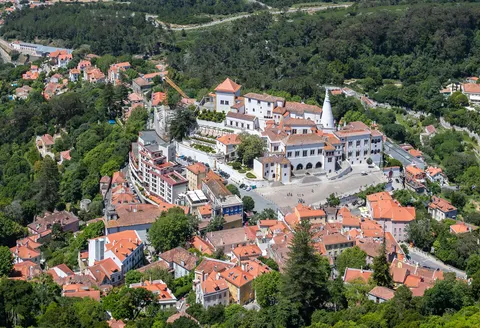

Setúbal is the capital city of its district in the south-west of Portugal, and it feels like a working town with beaches within reach. It is named for the city itself, and the streets carry the everyday life of a place that is more practical than showy. Lisbon is reached by rail, and the sea is a short way off for a day of beach time.
Setubal is in Setúbal, Portugal, and has a population of about 118,000; it is also a rail hub.
Why go to Setubal?
Setúbal suits a city trip that mixes old churches, castles and a sandy coast. The Our Lady of Grace Cathedral and the Church of the Monastery of Jesus of Setúbal are the churches to see, and the Cruzeiro de Setúbal is a monument in the town. The Castelo de São Filipe gives the city a fortress to walk around, and the Castelo de Palmela is a castle reached by bus for a wider view. Albarquel Beach is the beach to reach on the coast, and the Igreja de São Julião adds another church to the set. Evora and Beja are reached by bus for a longer route through the south.
When is the best time to visit Setubal?
July and August are the warmest, with highs of about 26 °C, and January is the coolest, at about 14 °C. For beach holidays, go in June, July and August. Any month suits city breaks.
How do I get to Setubal without flying?
From 7 destinations you can travel to Setubal directly by bus or train. Counting connections, 252 destinations can reach it within 14 hours without flying. Travelling from Lisbon, allow 1h 00m by train with Fertagus; that is about 1 kg of CO₂ per person. From Evora, it takes 1h 15m by bus with FlixBus-eu, with about 2.3 kg of CO₂ per person. The bus from Aveiro with FlixBus-eu takes 3h 55m; that is about 6.4 kg of CO₂ per person, 88% less than the 54 kg of a flight.
What to do in Setubal
Our Lady of Grace Cathedral
Our Lady of Grace Cathedral is the main church of the city, and it is the building to see first in the old quarter. Step inside, then walk on through the streets around it.
Castelo de São Filipe
Castelo de São Filipe is the fortress on the edge of the town, and its walls give a view across the streets. Walk round the outside, then return by the same path.
Albarquel Beach
Albarquel Beach is the sandy stretch along the coast, a change from the churches and the fortress. Walk the sand, then turn back toward the centre.
Igreja de São Julião
Igreja de São Julião is one of the churches in the town, and it adds a second visit to the cathedral's walk. Step inside and compare it with the cathedral.