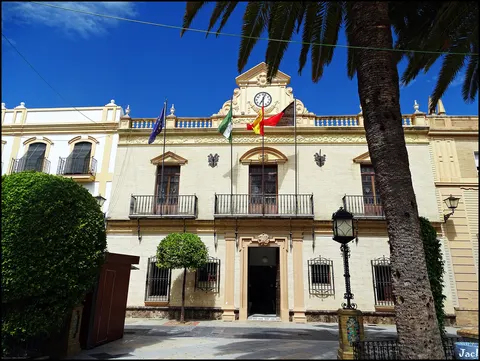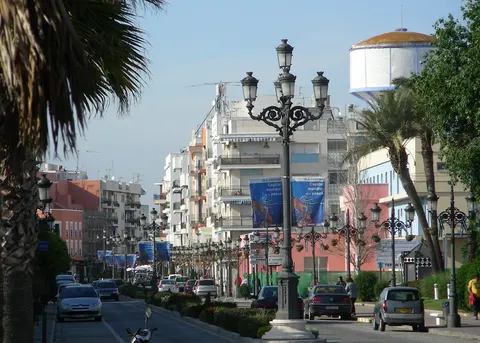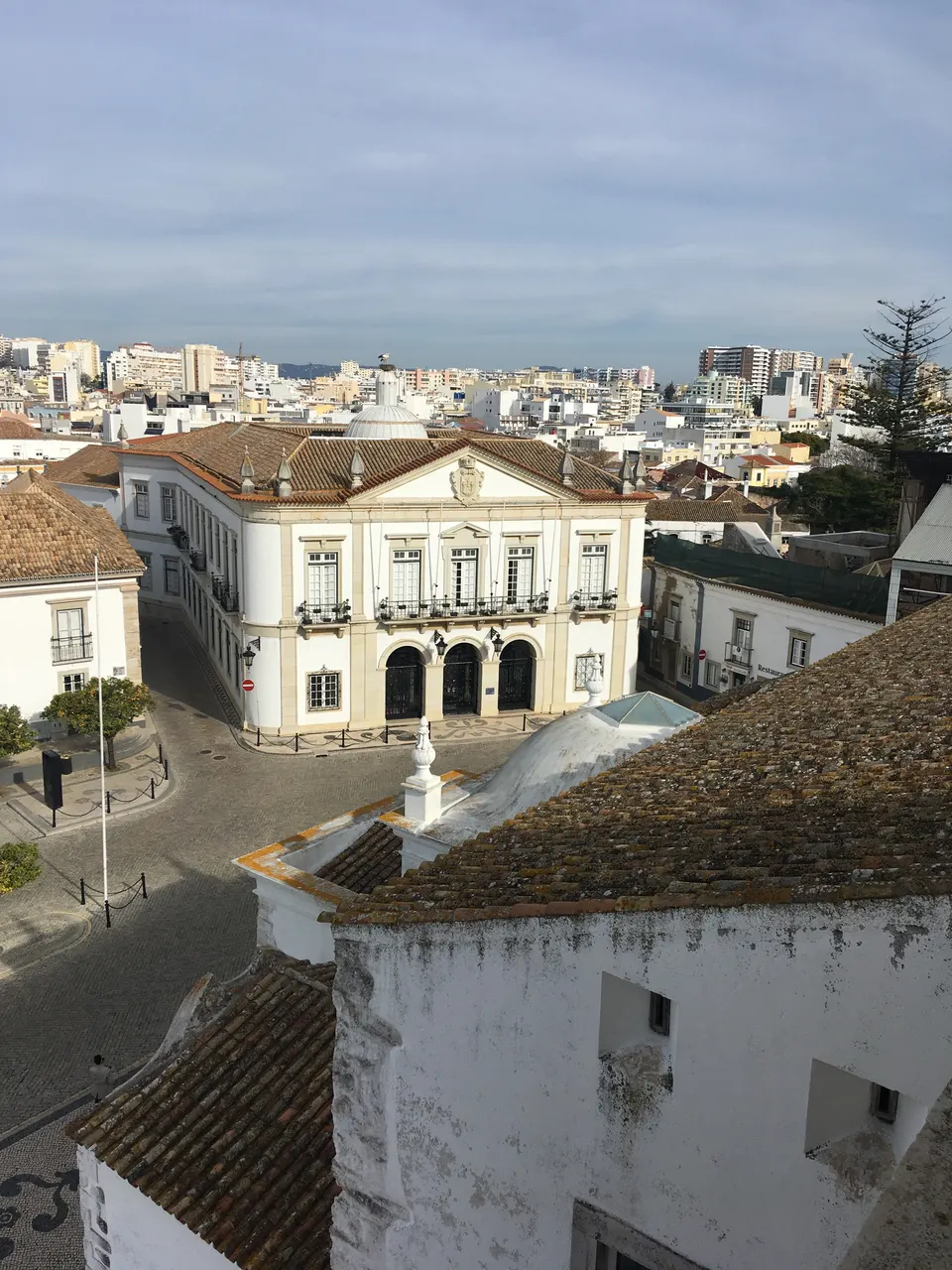

Faro is the capital of both the Algarve region and the Faro District in southern Portugal, and the southernmost city on the Portuguese mainland. It lies on the shore of the Ria Formosa lagoon, a protected nature reserve. Founded as Ossonoba in antiquity, it has been the administrative capital of the Algarve since 1756.
Faro, in Portugal, is home to about 70,000 people and works as a rail hub.
Why go to Faro?
Faro is a city of lagoon and history. Its city walls contain towers built in the Byzantine period, and in the Moorish centuries it was a port known as Santa Maria Ibn Harun. Beyond the walls, the Ria Formosa is the main draw: a lagoon of marshes, channels and dunes, one of the seven natural wonders of Portugal. Barrier islands separate the lagoon from the Atlantic, with beaches on the Ancão peninsula and on the islands of Barreta and Culatra. The city also hosts an annual students' festival run by the University of Algarve.
When is the best time to visit Faro?
In July and August the average high reaches 25 °C; in January and February it is closer to 15 °C. Beach holidays work best in June, July and August. Any month suits city breaks.
How do I get to Faro without flying?
Faro has direct bus or train links to 9 destinations. Within 14 hours, travellers from 265 destinations can get here without flying. The train from Lisbon with CP takes 3h 00m; that is about 4 kg of CO₂ per person, 92% less than the 50 kg of a flight. Huelva is 1h 25m away by bus with FlixBus-eu, with about 2.5 kg of CO₂ per person. Travelling from Albufeira, allow 40 min by bus with FlixBus-eu; that is about 0.8 kg of CO₂ per person.
What to do in Faro
Ria Formosa Natural Park
A protected park of lagoons, marshes, channels and dunes, with barrier islands that separate the lagoon from the Atlantic.
City walls
Walls whose towers were built during the Byzantine period, a reminder of the city's long defensive history.
Culatra island
An island in the Ria Formosa park, with beaches on its coast.