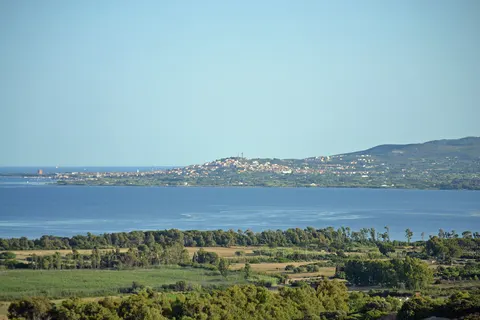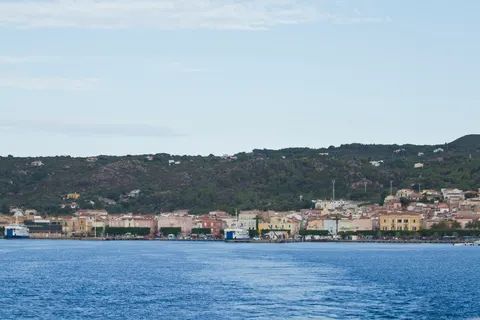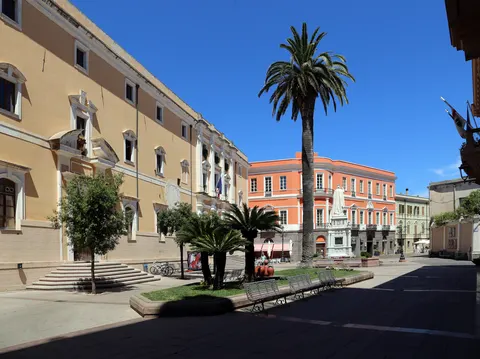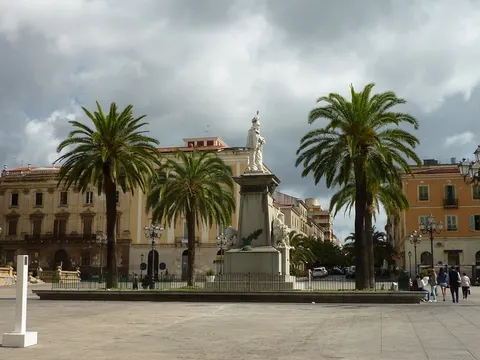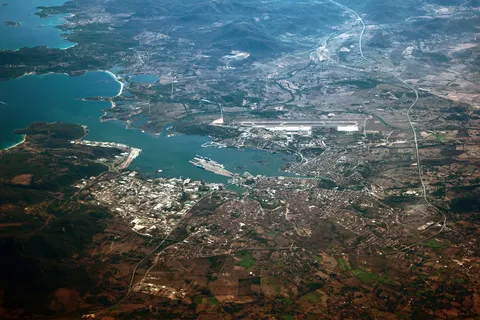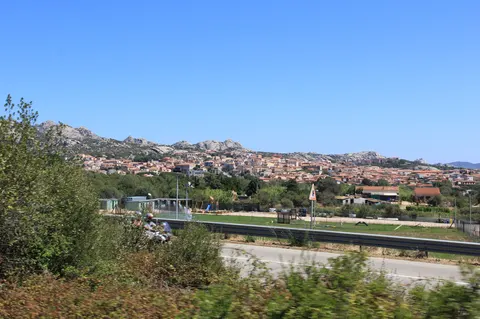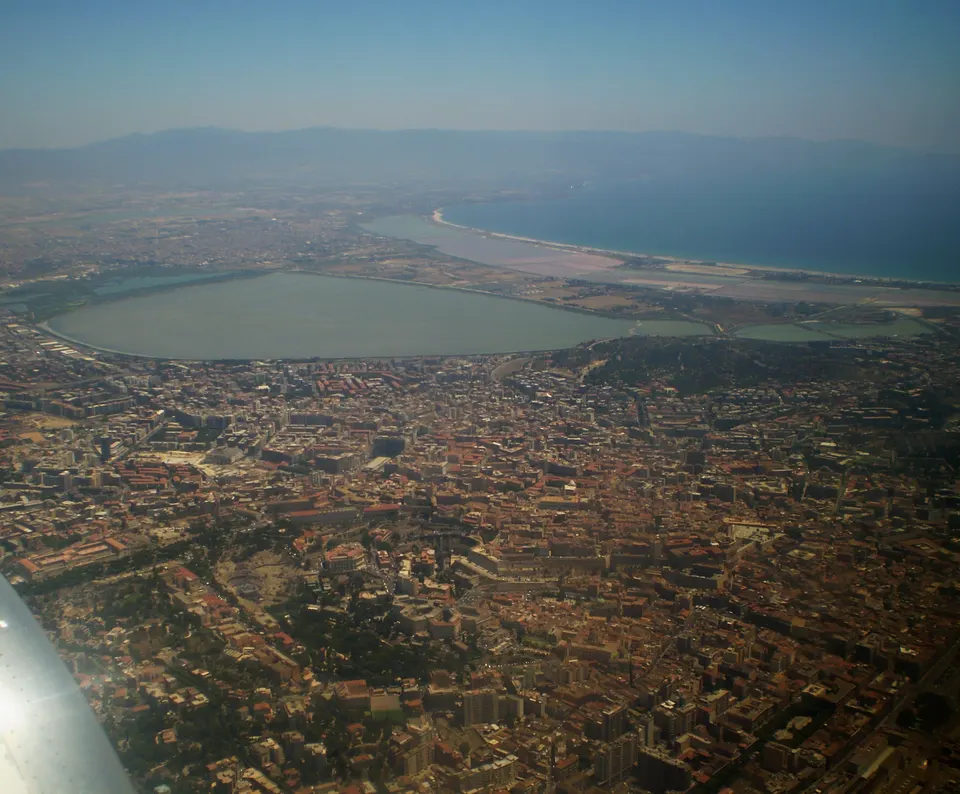

Cagliari is the capital and largest city of Sardinia, an autonomous region of Italy. The municipality has about 145,000 inhabitants. The city has been inhabited for some five thousand years, and its sheltered harbour and the hill of Castel di Castro shaped its growth.
Cagliari is in Sardinia, Italy, and has a population of about 149,000; it is also a rail hub.
Why go to Cagliari?
Cagliari is an ancient city built in layers, and its remains sit beneath the modern streets. The Tuvixeddu necropolis is the largest Punic necropolis still in existence, and the Roman amphitheatre, traditionally called Is centu scalas, survives nearby. The old upper town, Castello, lies on a hill inside walls with two white limestone towers from the early 14th century, the Torre di San Pancrazio and the Torre dell'Elefante. The Basilica of San Saturnino dates from the 5th century, and the Sanctuary of Our Lady of Bonaria, from which the city of Buenos Aires takes its name, stands above the port.
When is the best time to visit Cagliari?
August is the warmest, with highs of about 30 °C, and January is the coolest, at about 13 °C. For beach holidays, go in June, July and September. Any month suits city breaks.
How do I get to Cagliari without flying?
From 12 destinations you can travel to Cagliari directly by bus, ferry or train. Counting connections, 109 destinations can reach it within 14 hours without flying. Travelling from Rome, allow 13h 00m by ferry with Tirrenia; that is about 20 kg of CO₂ per person, 79% less than the 95 kg of a flight. From Civitavecchia, it takes 13h 00m by ferry with Tirrenia, with about 20 kg of CO₂ per person against 90 kg for the flight, 78% less. The train from Olbia with Trenitalia takes 3h 30m; that is about 4 kg of CO₂ per person, 91% less than the 44 kg of a flight.
What to do in Cagliari
Tuvixeddu necropolis
The largest Punic necropolis still in existence.
Roman amphitheatre
Traditionally called Is centu scalas, one of the remains of the ancient city of Karalis.
Torre dell'Elefante
One of two early 14th-century Pisan-style white limestone towers in the walls of the upper town.
Basilica of San Saturnino
A Palaeo-Christian basilica from the 5th century, dedicated to the patron saint of the city.
Sanctuary of Our Lady of Bonaria
A sanctuary built by the Catalans, with a wooden statue of the Madonna that landed at the foot of Bonaria hill.