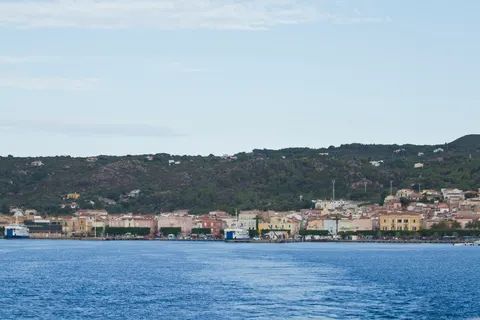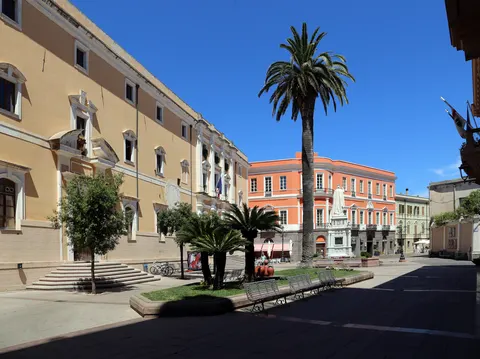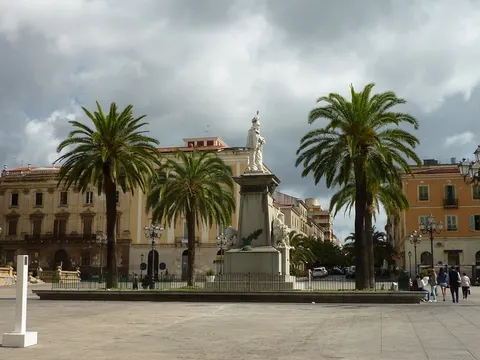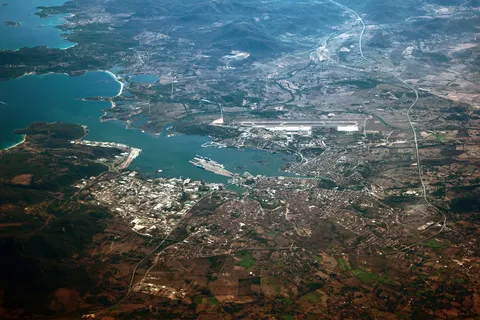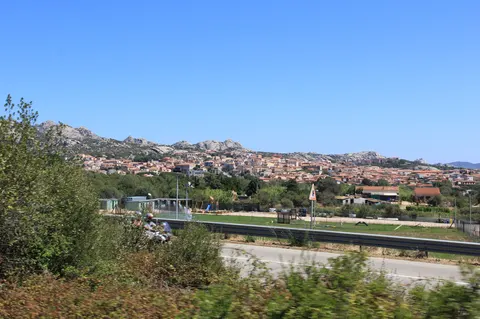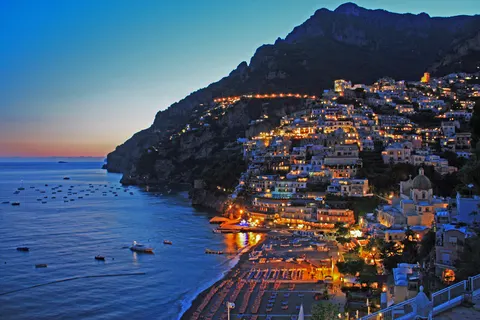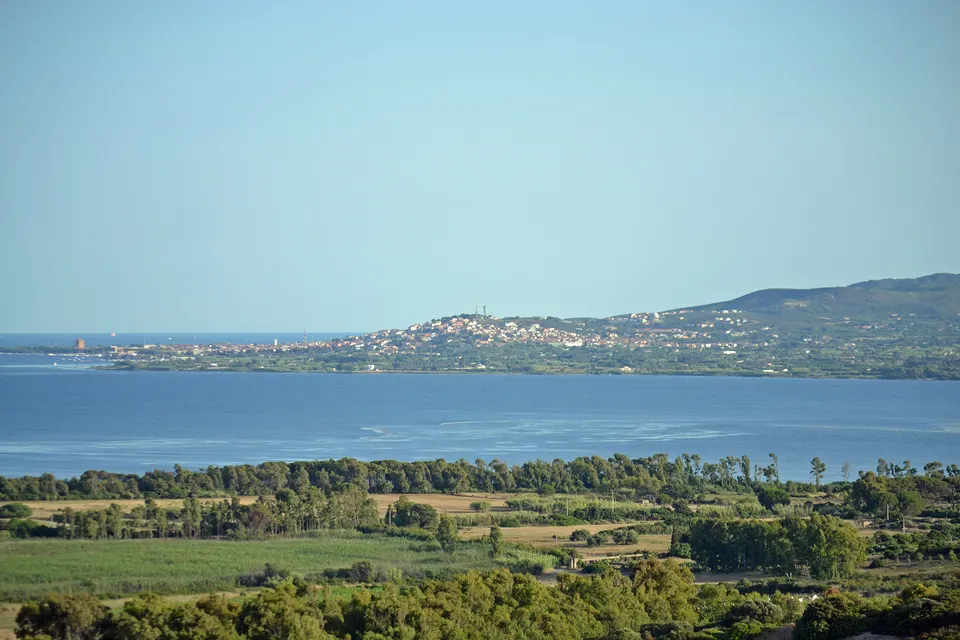

Sant'Antioco is a town and municipality on the island of the same name, in the Province of Sulcis Iglesiente in the autonomous region of Sardinia. It is the site of ancient Sulci, which was considered the second city of Sardinia in antiquity. The municipality has a population of 10,404 and is the larger of the island's two municipalities.
Sant'Antioco is in Sardinia, Italy, and has a population of about 11,000.
Why go to Sant'Antioco?
The ancient city of Sulci is at the heart of a visit, and the island keeps Phoenician and Punic necropolises, a tophet, an ancient acropolis and a Roman bridge. The Palaeo-Christian Basilica, restored in the 11th and 12th centuries, has catacombs beneath it. The Romans connected the island to the mainland by an artificial isthmus and called the place Plumbaria after its lead deposits. The island's earlier history includes a culture that left domus de janas tombs and menhirs, and a nuragic presence with a Giants' grave.
When is the best time to visit Sant'Antioco?
August is the warmest, with highs of about 29 °C, and January and February are the coolest, at about 13 °C. For beach holidays, go in June, July and September.
How do I get to Sant'Antioco without flying?
Sant'Antioco has one direct link, by bus. Counting connections, 39 destinations can reach it within 14 hours without flying. Travelling from Cagliari, allow 1h 30m by bus with ARST; that is about 1.6 kg of CO₂ per person.
What to do in Sant'Antioco
Sant’Antioco Martire
A church in Sant'Antioco.
Beach holidays in Sant'Antioco
June is the ideal month for beach holidays, with average highs of 25 °C.
Travel on from Sant'Antioco
Direct links run to Cagliari.