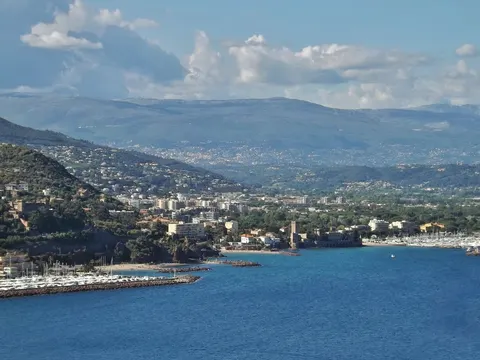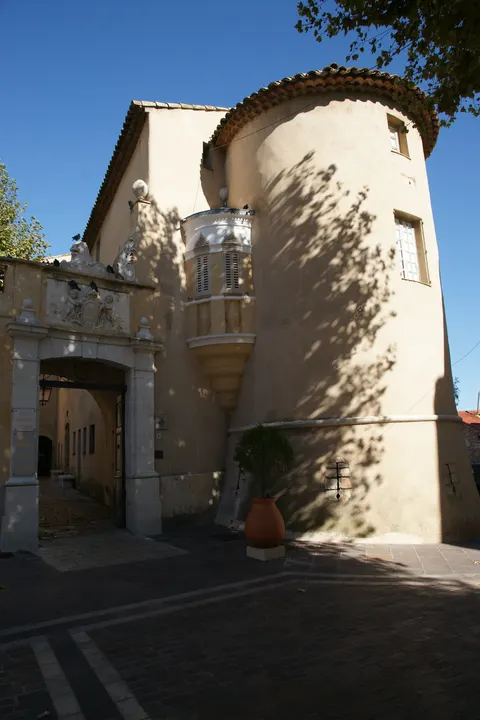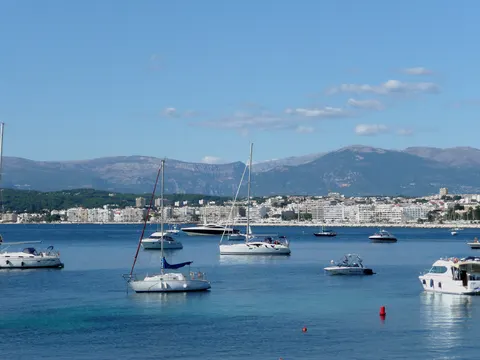

Fréjus is a commune and resort town in the Var department of southeastern France, next to Saint-Raphaël, with which it forms a single urban agglomeration. Its north reaches into the Massif de l'Esterel. The town was a Roman city, and its remains, including an amphitheatre, an aqueduct and a theatre, make it one of the richest concentrations of Roman architecture in France after Arles. The old town still has parts of its city walls.
With about 53,000 inhabitants, Frejus lies in Provence-Alpes-Côte d'Azur, France, and is a rail hub.
Why go to Frejus?
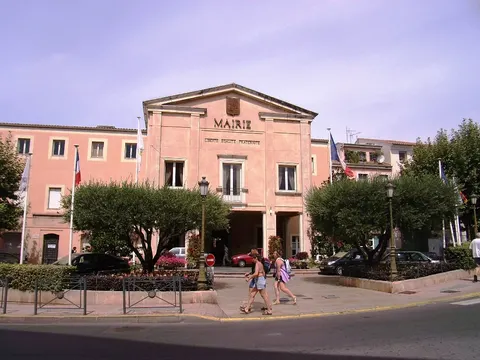
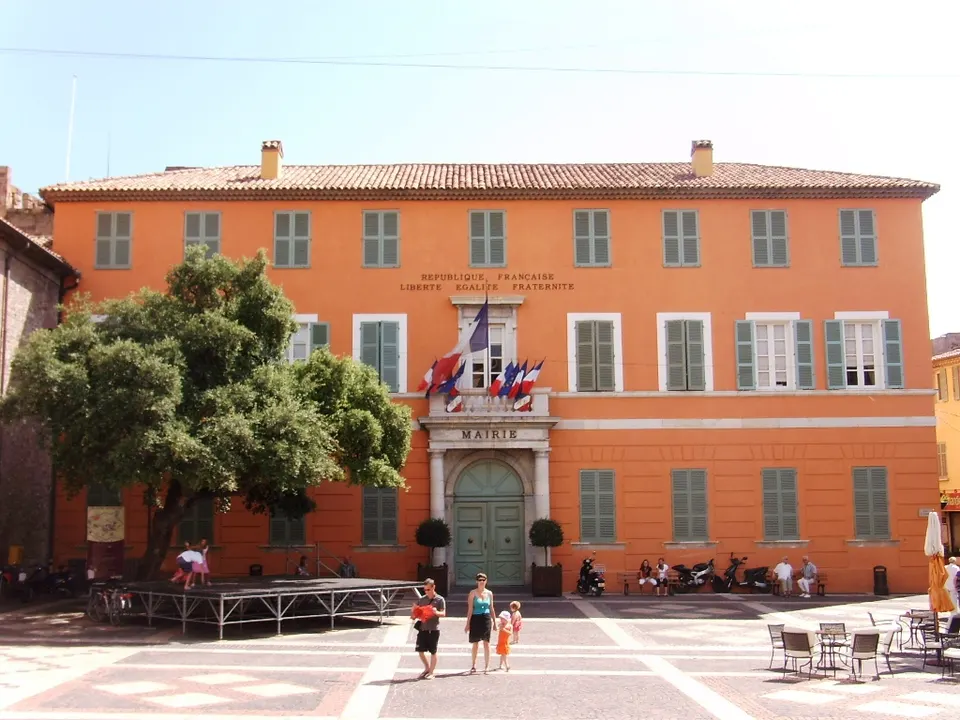
Roman Fréjus is the reason many visitors come. The amphitheatre and the theatre are among its most notable remains, and the aqueduct from Mons once carried water into the city. The city walls and the gates of Rome and of Reyran are still in place, and the baptistry of Fréjus Cathedral dates from the 5th century. The Massif de l'Esterel rises to the north of the town, while the coast at Saint-Aygulf has fishponds. Napoleon landed here in 1799 on his return from Egypt, and the Hôtel de Ville was completed in the 1820s.
When is the best time to visit Frejus?
Average highs range from 11 °C in January and February to 27 °C in July and August. June, July and August are the time for beach holidays. For city breaks, any month of the year works.
How do I get to Frejus without flying?
Direct bus or train services link Frejus with 5 destinations. Allowing for changes, 1,979 destinations are no more than 14 hours away without flying. Aix-en-Provence is 1h 30m away by bus with BlaBlaCar Bus, with about 2.8 kg of CO₂ per person. The train from Toulon with SNCF takes 1h 00m; that is about 1 kg of CO₂ per person. From Cannes, it takes 30 min by train with SNCF, with about 1 kg of CO₂ per person.
What to do in Frejus
Roman amphitheatre
The most notable of the city's Roman buildings, among the richest surviving in France.
Aqueduct from Mons
A Roman aqueduct that brought water into the city from Mons, in the Var.
Baptistry of Fréjus Cathedral
Dating from the 5th century, with columns in the cathedral taken from Roman buildings.
Lighthouse and quay of Augustus
Remains of the ancient harbour, alongside the north quay and the lighthouse.