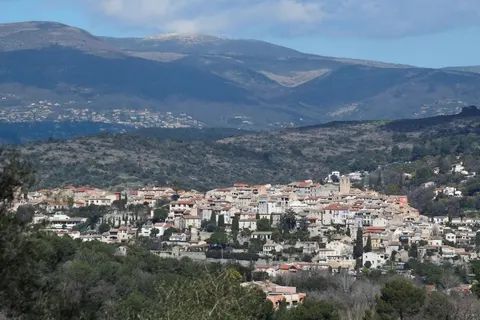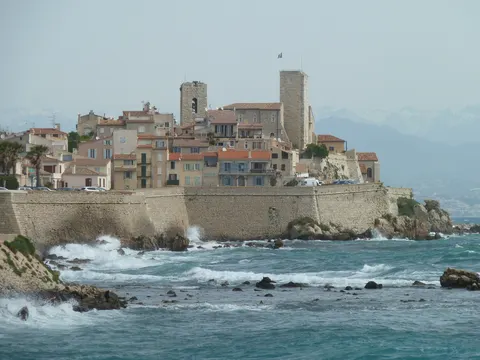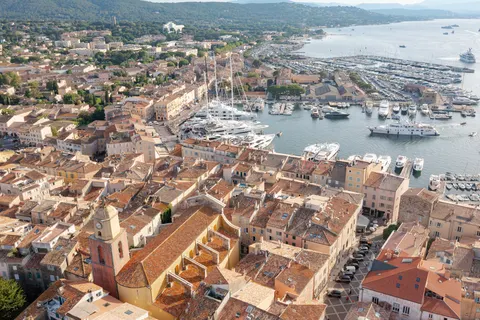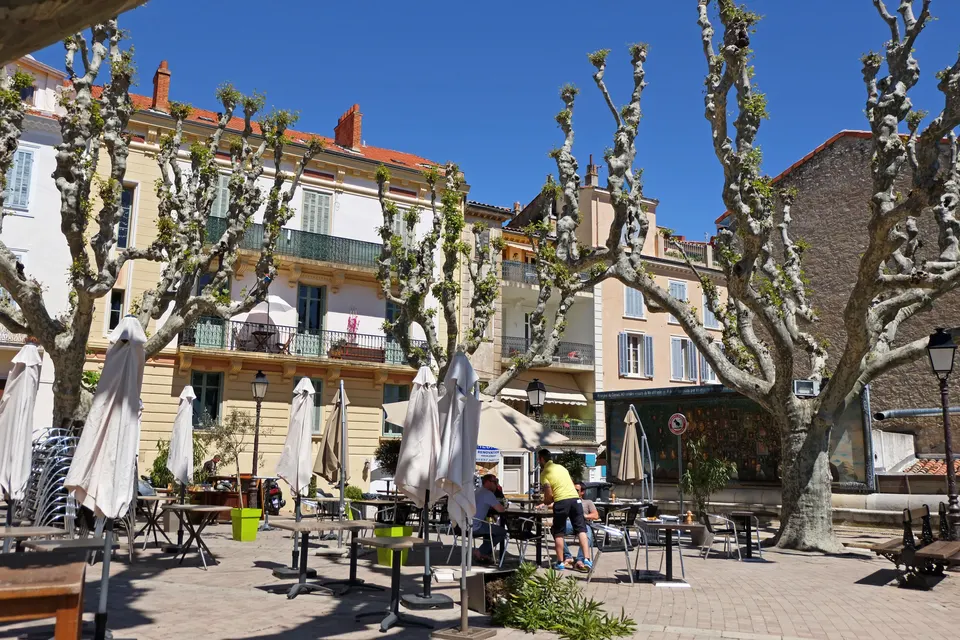

Le Cannet is a commune in the Alpes-Maritimes department of the Provence-Alpes-Côte d'Azur region. Its history begins in Roman times, when the Via Aurelia ran across the land, and a monastery founded in the early fifth century by Saint Honoratus became a base for the monks of the Lérins islands. The old quarters still bear the names of the families who settled here in the fifteenth century.
About 43,000 people live in Le Cannet, in Provence-Alpes-Côte d'Azur, France.
Why go to Le Cannet?
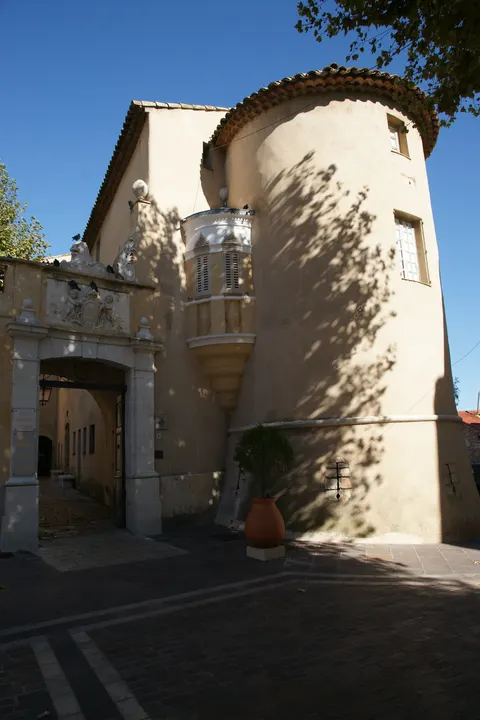
The town's painter connection is the strongest draw. Pierre Bonnard bought the Villa Le Bosquet on avenue Victoria in 1926, and it was there that his last period of style took shape; he stayed until his death. The town opened a museum to him in 2011, and the Espace Pierre-Bonnard occupies a former Anglican chapel. Older monuments are close by: the Tour des Danys, a defensive tower built to close the town on the old road from Cannes, and the Tour des Calvys, which sheltered residents when imperial troops invaded the region. The painter Raymond Peynet also left a mural in the old town, the Mur des amoureux, aimed at young couples.
When is the best time to visit Le Cannet?
Expect daytime highs of about 26 °C in July and August, falling to 11 °C in January, February and December. If you are after beach holidays, aim for June, July and August.
How do I get to Le Cannet without flying?
You can get to Le Cannet without changing from 9 destinations, by bus. With changes, Le Cannet is within 14 hours of 2,029 destinations without flying. From Sanremo, it takes 2h 07m by bus with BlaBlaCar Bus, with about 1.8 kg of CO₂ per person. Travelling from Marseille, allow 2h 00m by bus with BlaBlaCar Bus; that is about 3.7 kg of CO₂ per person. Nice is 35 min away by bus with FlixBus-eu, with about 0.7 kg of CO₂ per person.
What to do in Le Cannet
Musée Bonnard
A museum dedicated to Pierre Bonnard, who lived in the town for the last years of his life.
Villa Le Bosquet
The villa on avenue Victoria where Bonnard worked through the last period of his style.
Tour des Danys
A defensive tower from the fifteenth century, which Prosper Mérimée gave the name tour des Brigands.
Mur des amoureux
A wall in the heart of the old town, painted by Raymond Peynet to welcome young newlyweds.