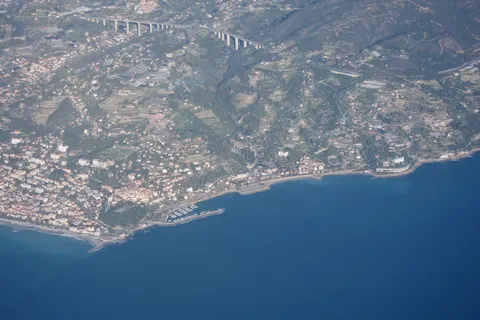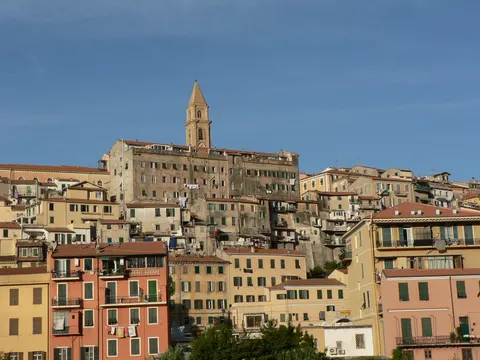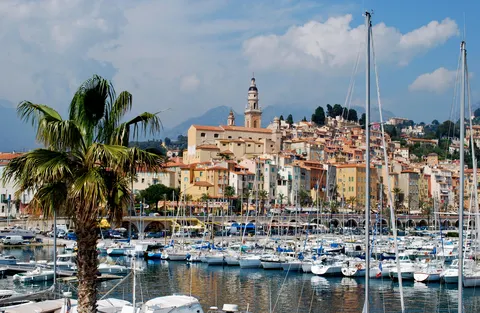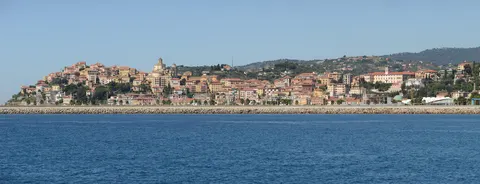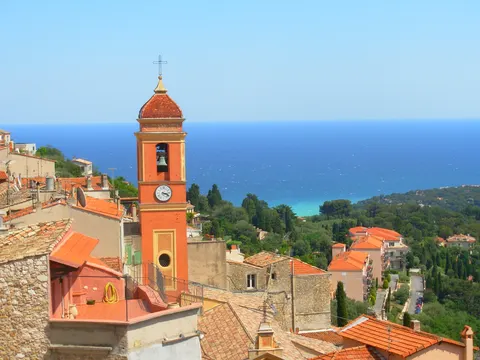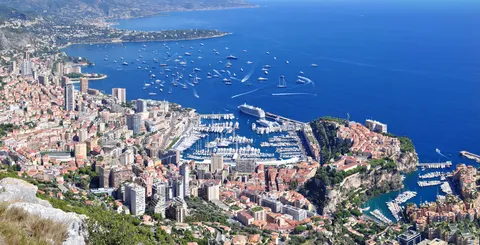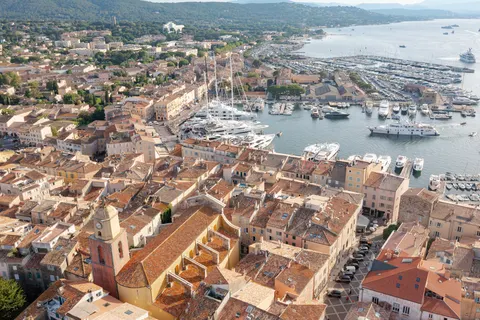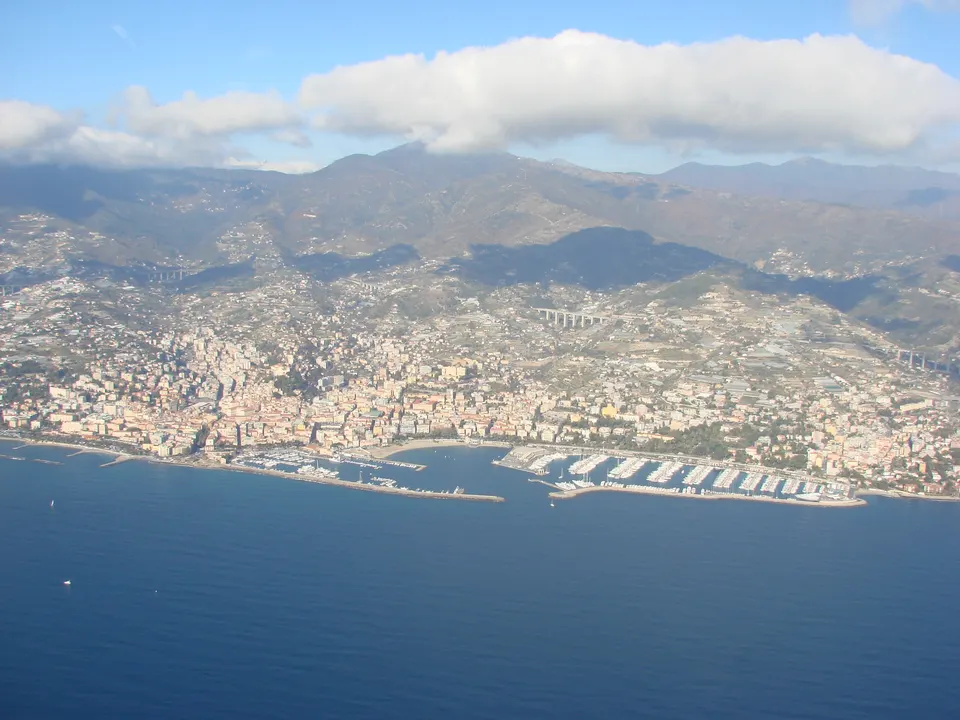

Sanremo sits on the Mediterranean coast of Liguria in northwestern Italy, on the Italian Riviera. It began as a Roman settlement, then moved up onto higher ground in the early Middle Ages for protection, and its old quarters still climb the hillside. Grand hotels and the coast road turned it into a resort, and today it is known for its cultural life, including the music festival that carries its name.
About 47,000 people live in Sanremo, in Liguria, Italy, and its station is a rail hub.
Why go to Sanremo?
The pleasure of Sanremo lies in the gap between its old town and its seafront. Above the coast, the walled village of La Pigna grew behind walls the nobility built against Saracen raids, and its narrow streets keep much of their medieval shape. Saint Syrus Cathedral belongs to the same old quarter. Down by the port stands the Santa Tecla fortress, built by Genoa on the beach in 1753 and used as a prison before it became a museum. The first grand hotels recall the resort years, when Empress Sisi of Austria, the Russian empress and Emperor Nicholas II came here on holiday.
When is the best time to visit Sanremo?
Expect daytime highs of about 25 °C in July and August, falling to 11 °C in January and February. If you are after beach holidays, aim for June, July and August.
How do I get to Sanremo without flying?
You can get to Sanremo without changing from 12 destinations, by bus or train. With changes, Sanremo is within 14 hours of 1,943 destinations without flying. From Monaco, it takes 1h 00m by train with Trenitalia, with about 0.3 kg of CO₂ per person. Travelling from Turin, allow 3h 05m by bus with FlixBus-eu; that is about 3.8 kg of CO₂ per person. Nice is 1h 25m away by bus with FlixBus-eu, with about 1.2 kg of CO₂ per person.
What to do in Sanremo
Cathedral of San Siro
A cathedral in Sanremo.
Chiesa Russa
A church in Sanremo.
Beach holidays in Sanremo
July is the ideal month for beach holidays, with average highs of 25 °C.