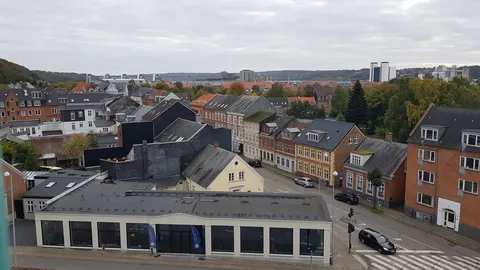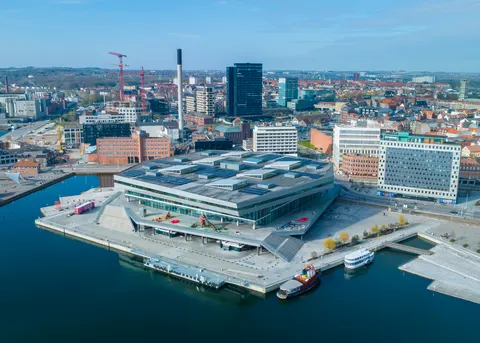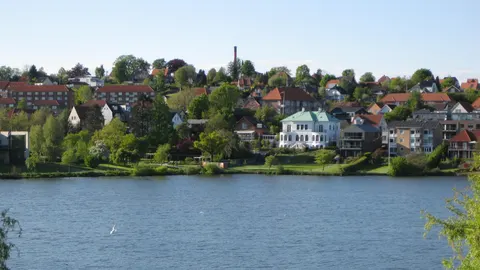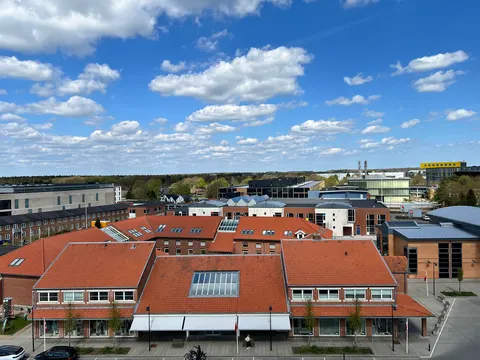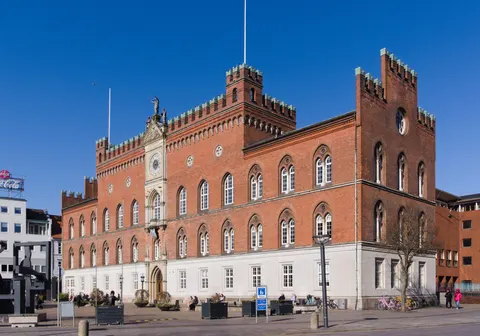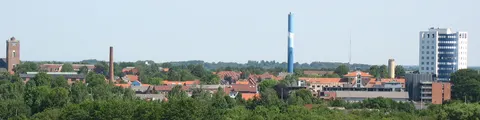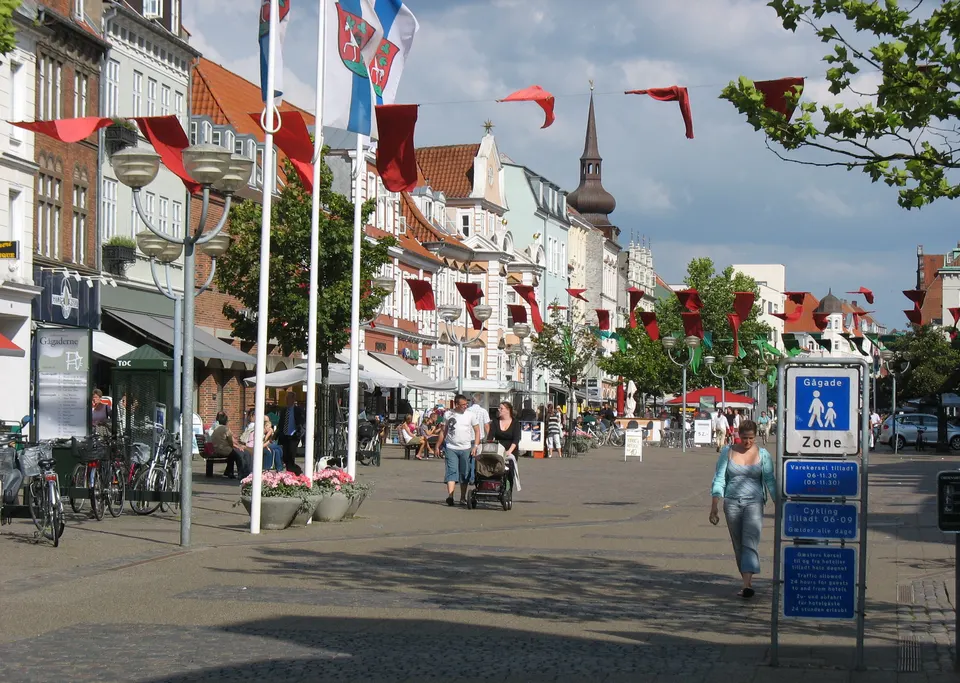

Horsens is a city on the southeast coast of the Jutland peninsula in Denmark, and the seat of the Horsens municipality. It sits at the end of Horsens Fjord, in a landscape of low hills and valleys that glaciers shaped during the last ice ages. The city is best known for its culture and entertainment, and its history reaches back to the 9th century, when burial sites and houses were first settled.
Horsens is in Central Jutland, Denmark, and has a population of about 61,000; it is also a rail hub.
Why go to Horsens?
Horsens is known for its cultural life. The New Theatre is a cultural centre that holds over 200 events a year, and it has drawn major names such as Madonna, Paul McCartney and The Rolling Stones. Every August the European Medieval Festival turns the town centre into one of the largest medieval markets in Northern Europe, with activities for families and children. Its industrial past is shown at the Horsens Industrimuseum, which traces how factory work changed living conditions. The town also has a wide range of street art, from murals to painted gables, and the Sculpture Alley is one of its best-known walks past art.
When is the best time to visit Horsens?
July and August are the warmest, with highs of about 20 °C, and January and February are the coolest, at about 3 °C.
How do I get to Horsens without flying?
From 5 destinations you can travel to Horsens directly by bus or train. Counting connections, 1,205 destinations can reach it within 14 hours without flying. Travelling from Vejle, allow 14 min by train with DSB; that is about 0.2 kg of CO₂ per person. From Ribe, it takes 2h 00m by bus, with about 2.4 kg of CO₂ per person. The bus from Silkeborg with FlixBus-eu takes 45 min; that is about 1.1 kg of CO₂ per person.
What to do in Horsens
Horsens New Theatre
A cultural centre that stages more than 200 events a year, from concerts to theatre and shows.
Horsens Industrimuseum
A museum about the history of industrial society, showing technological development and the working conditions of factory workers.
European Medieval Festival
An annual event in late August, when the town centre becomes a medieval market with entertainment for all ages.
Sculpture Alley
A street of sculptures, murals and gable paintings that makes the town's street art easy to see.