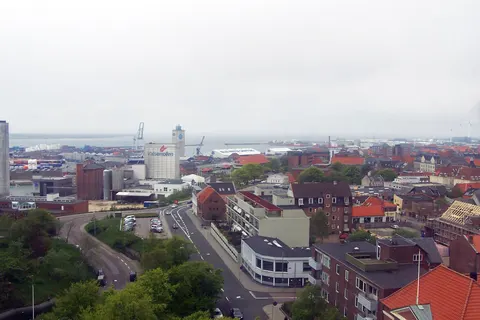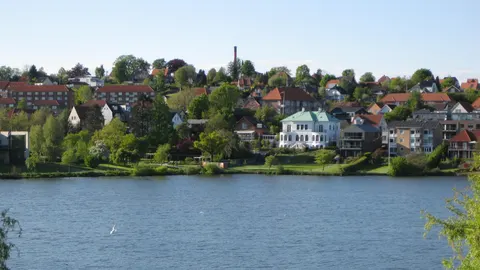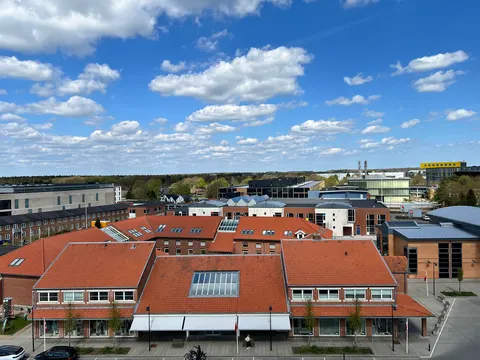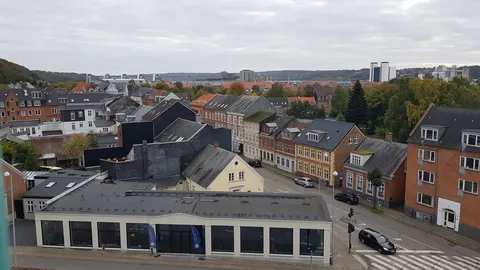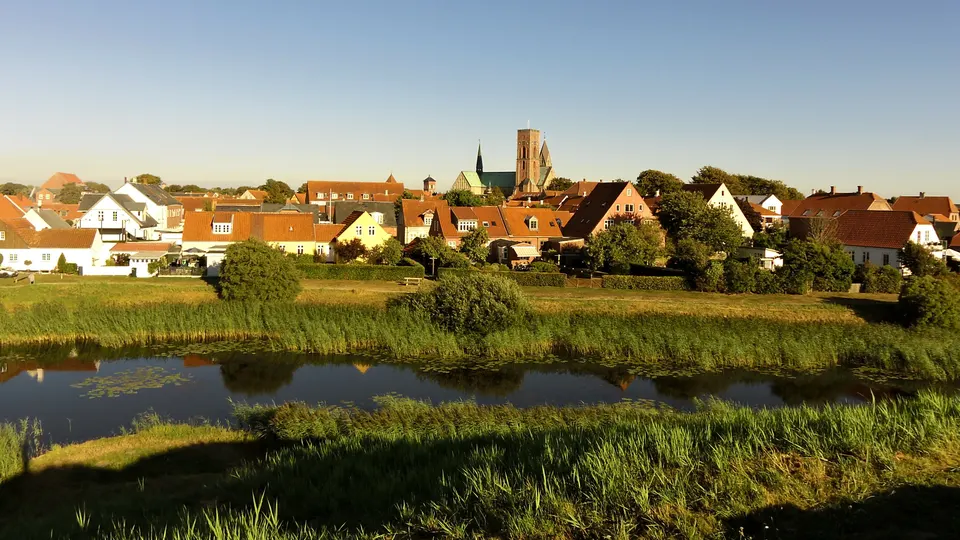

Ribe is a town in southwestern Jutland, Denmark, and the seat of the Diocese of Ribe. It is the oldest town in Denmark and lies in a large area of low-lying marshland. It is now part of the enlarged Esbjerg Municipality, having been the seat of a municipality and county until 2007. It has about 8,400 inhabitants.
Ribe is in South Denmark, Denmark, and has a population of about 8,403; it is also a rail hub.
Why go to Ribe?
Ribe was a centre of commercial activity in the early 8th century, and coins may have been struck there. Its trade ran mostly with Frisia and England. The cathedral was begun in 1150 on top of an earlier church, most probably the one that the missionary Ansgar asked to be built here. Excavations have found Christian graves from the Viking age, showing a settled Christian community living alongside the Vikings. Storm floods repeatedly struck the marshland, and the marks of one flood can still be seen on the cathedral walls.
When is the best time to visit Ribe?
July and August are the warmest, with highs of about 19 °C, and January is the coolest, at about 3 °C. City breaks work best in June, July and August.
How do I get to Ribe without flying?
From 6 destinations you can travel to Ribe directly by bus or train. Counting connections, 1,195 destinations can reach it within 14 hours without flying. Travelling from Vejle, allow 1h 48m by bus; that is about 1.7 kg of CO₂ per person. From Esbjerg, it takes 30 min by bus, with about 0.7 kg of CO₂ per person. The bus from Kolding takes 1h 00m; that is about 1.3 kg of CO₂ per person.
What to do in Ribe
Ribe Cathedral
The town's cathedral, begun in 1150 and the seat of the diocese, with marks of storm floods still visible on its walls.