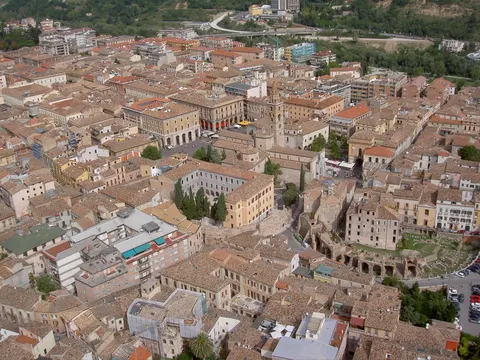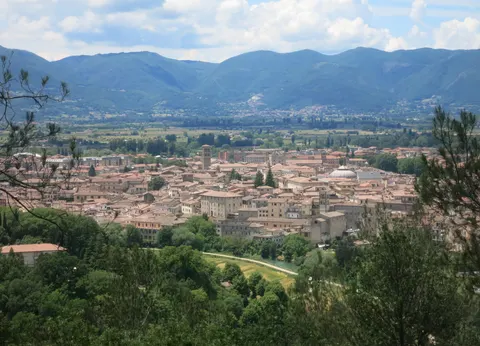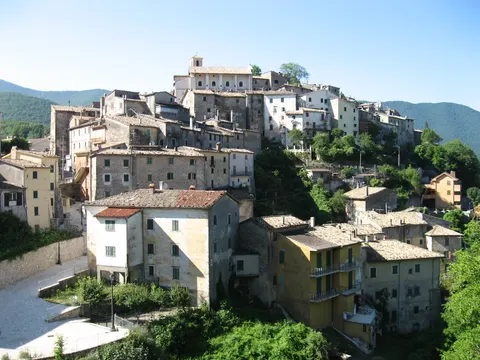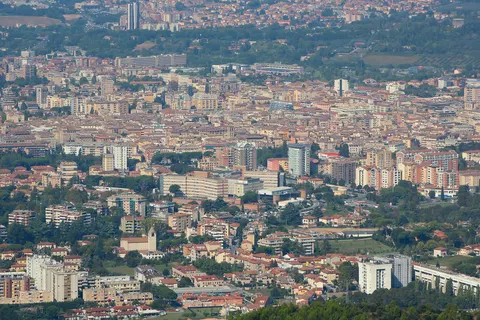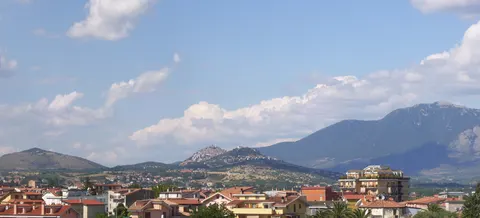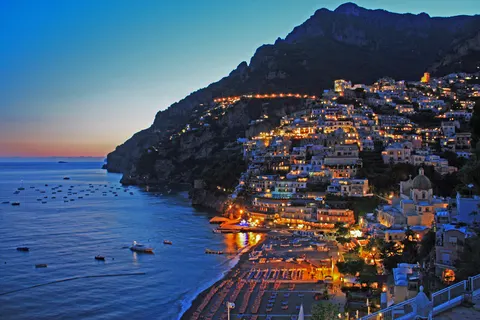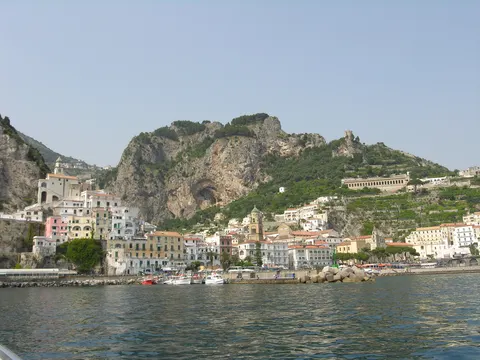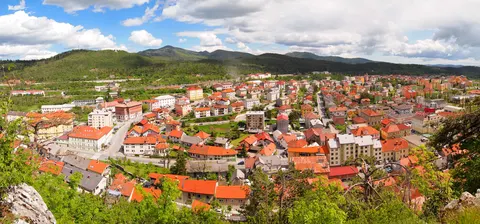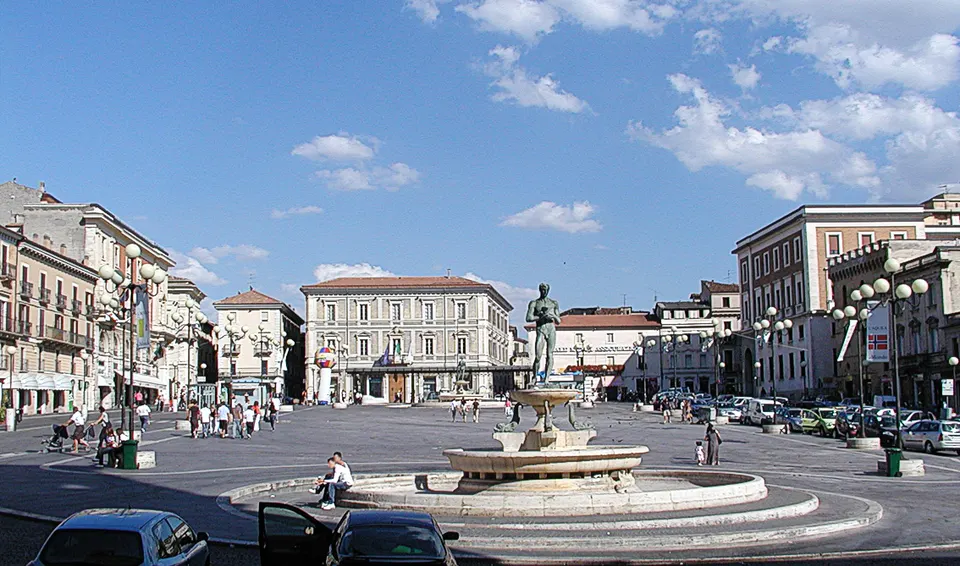

L'Aquila is the capital of Abruzzo, set on a hill within medieval walls in the valley of the Aterno river. The Apennine Mountains surround it, and the Gran Sasso d'Italia rises to the north-east, so the city has a mountain setting. It has the civic buildings and churches you would expect of a regional capital, and the mountains are never far from view.
About 34,000 people live in L'Aquila, in Abruzzo, Italy, and its station is a rail hub.
Why go to L'Aquila?
L'Aquila suits a trip that mixes mountains with city sightseeing, with Nature & Hiking and City & Culture as the two halves. The Apennine Mountains and the Gran Sasso d'Italia are the landscape to aim for, and the city is the place to stop between walks. For churches, the Basilica of St. Mary of Collemaggio and the Cathedral of Saints Maximus and George anchor the historic centre. The Basilica of San Bernardino and the Santa Maria del Suffragio add to the religious sights, while the Forte Spagnolo gives the city its fortified side. Buses from Rome and Teramo reach the city, which makes the mountain side easy to add to a wider trip.
When is the best time to visit L'Aquila?
Expect daytime highs of about 26 °C in July and August, falling to 6 °C in January. If you are after nature and hiking trips, aim for May, September and October. For city breaks, any month of the year works.
How do I get to L'Aquila without flying?
You can get to L'Aquila without changing from 7 destinations, by bus. With changes, L'Aquila is within 14 hours of 1,295 destinations without flying. From Rome, it takes 1h 19m by bus with FlixBus-eu, with about 2.4 kg of CO₂ per person. Travelling from Rieti, allow 1h 45m by bus; that is about 1.2 kg of CO₂ per person. Teramo is 45 min away by bus with FlixBus-eu, with about 1.2 kg of CO₂ per person.
What to do in L'Aquila
Basilica of St. Mary of Collemaggio
A church of the historic city and a starting point for a walk through the centre, with the cathedral and the fountain not far away.
Fountain of the 99 Water Spouts
The fountain takes its name from the spouts that line it. It is a monument to pause at while walking through the centre.
Forte Spagnolo
The Forte Spagnolo is the fortified sight of the city, and the place to see the older defensive side of L'Aquila.
Palazzetto dei Nobili
A palace of the historic centre and a good example of the civic buildings that line its streets. Look at its façade on the way past the churches.