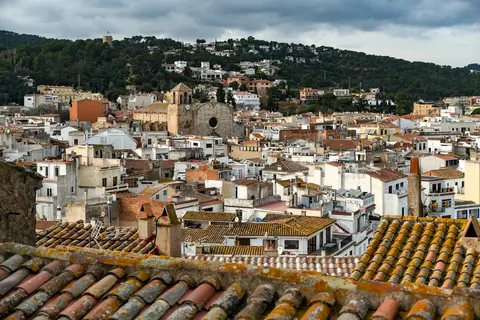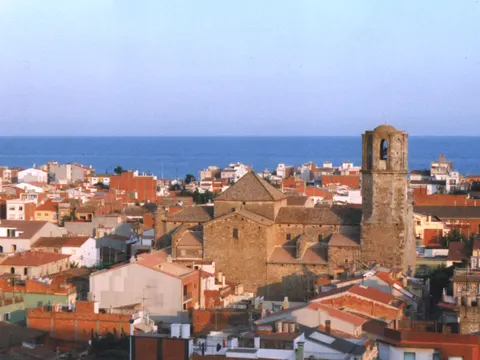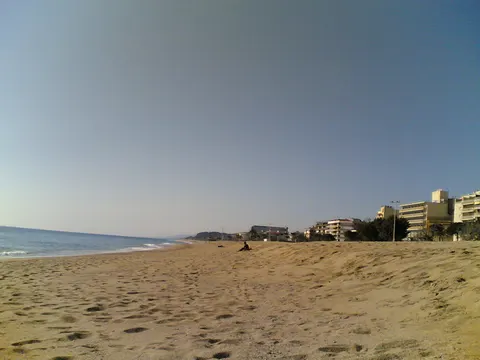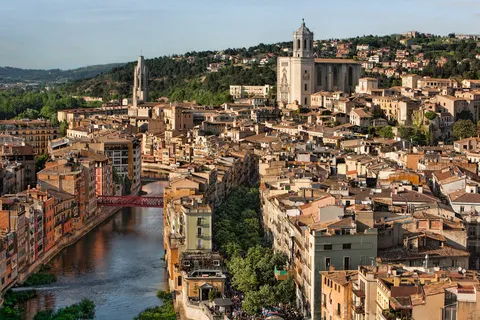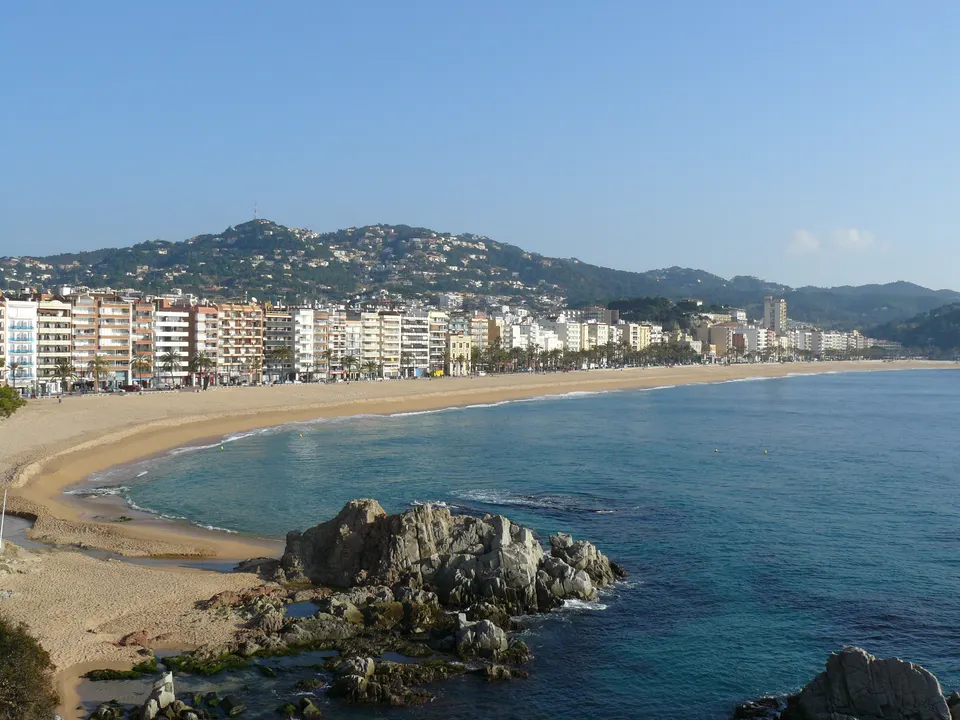

Lloret de Mar is a Mediterranean coastal town on the Costa Brava in Catalonia, Spain, south of Girona and northeast of Barcelona. Its main beach is one of the most popular on the Costa Brava and has kept the Blue Flag for cleanliness. The town is the second largest in the Selva comarca and has reinvented itself as an urban beach resort, with a history that includes Indiano houses built by returning emigrants.
With about 37,000 inhabitants, Lloret de Mar lies in Catalonia, Spain.
Why go to Lloret de Mar?
Most visitors come for the beach, a long stretch of small, gravel-like stones that has been consistently awarded the Blue Flag for cleanliness. The town has more than 120 hotel establishments and roughly 30,000 beds, many of them in the upper star categories. Beyond the sand, the Maritime Museum occupies Casa Garriga, an old Indiano house, and its route runs from coastal trading in the Mediterranean to sailing across the Atlantic. Lloret is ranked the largest sun-and-sand destination in Catalonia by hotel beds, and it holds a sports tourism certificate.
When is the best time to visit Lloret de Mar?
Average highs range from 12 °C in January to 28 °C in July and August. June, July and August are the time for beach holidays.
How do I get to Lloret de Mar without flying?
Direct bus services link Lloret de Mar with 4 destinations. Allowing for changes, 1,475 destinations are no more than 14 hours away without flying. Barcelona is 1h 05m away by bus with BlaBlaCar Bus, with about 1.8 kg of CO₂ per person. The bus from Carcassonne with FlixBus-eu takes 3h 26m; that is about 4.7 kg of CO₂ per person, 79% less than the 22 kg of a flight. From Perpignan, it takes 1h 40m by bus with BlaBlaCar Bus, with about 3 kg of CO₂ per person.
What to do in Lloret de Mar
Maritime Museum
Housed in Casa Garriga, an Indiano house, it traces the town's seafaring and fishing past across five areas.
Main beach
A beach of small, gravel-like stones, one of the most popular on the Costa Brava and a consistent Blue Flag winner.
Casa Garriga
An Indiano house acquired by the town council in 1981, now home to the Maritime Museum.
Plaza de España
A square among the houses built by the Indianos, the rich returning emigrants who gave the town its neoclassical and modernist palaces.