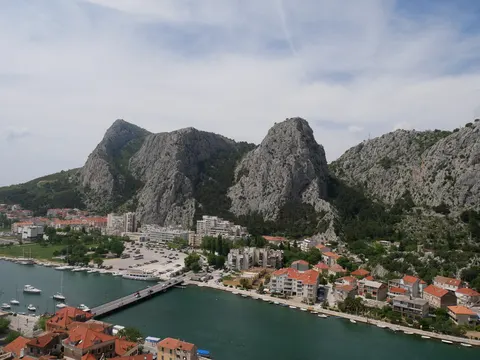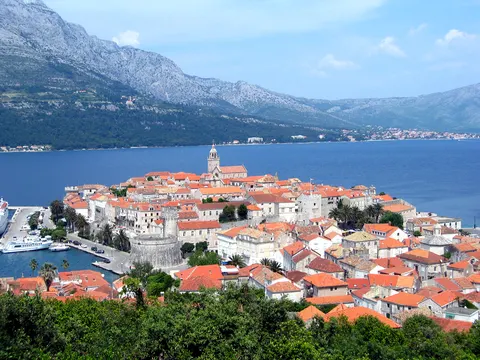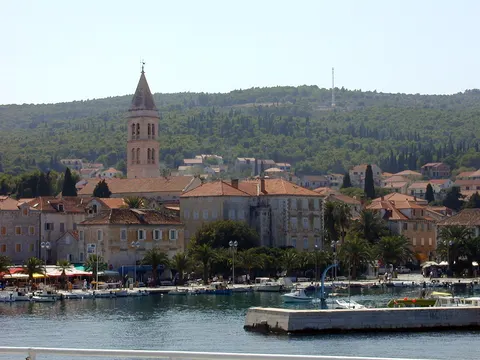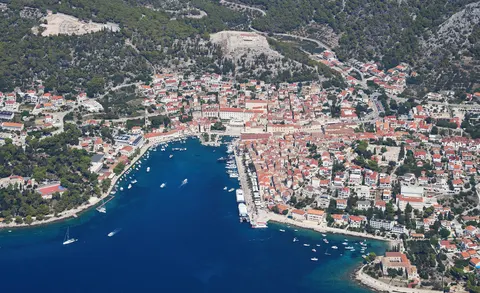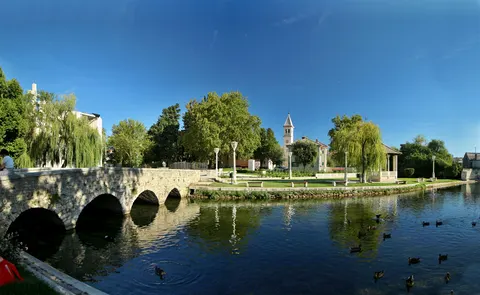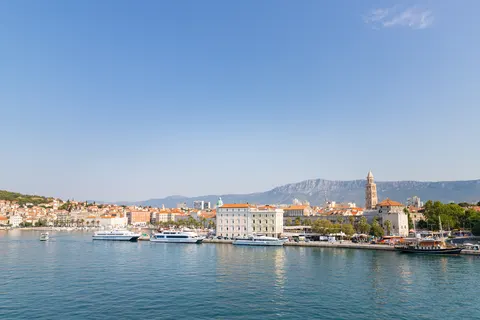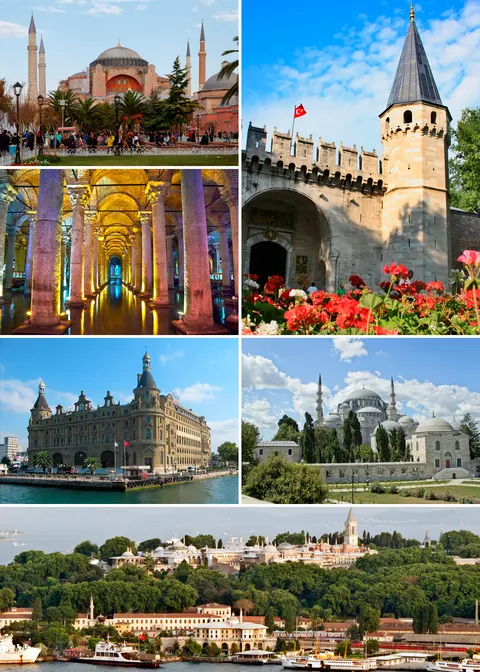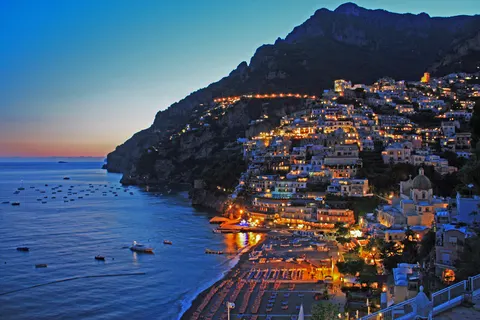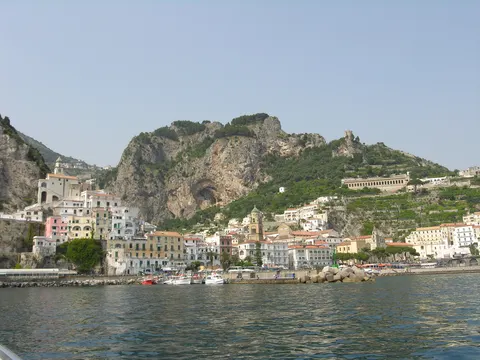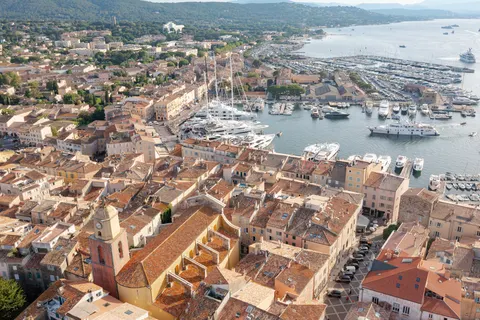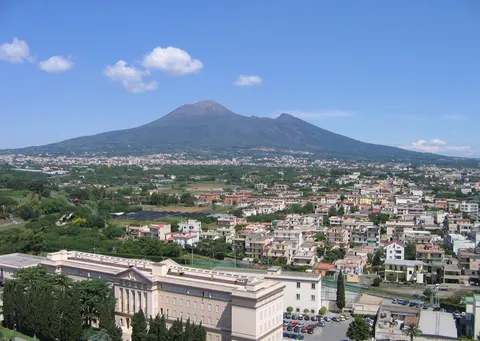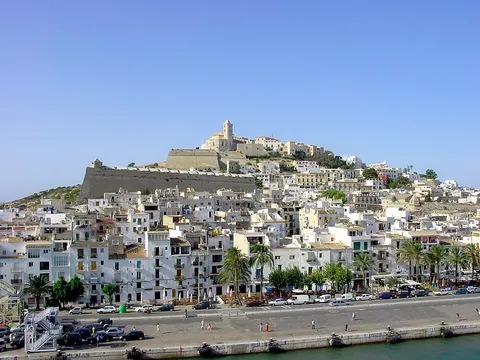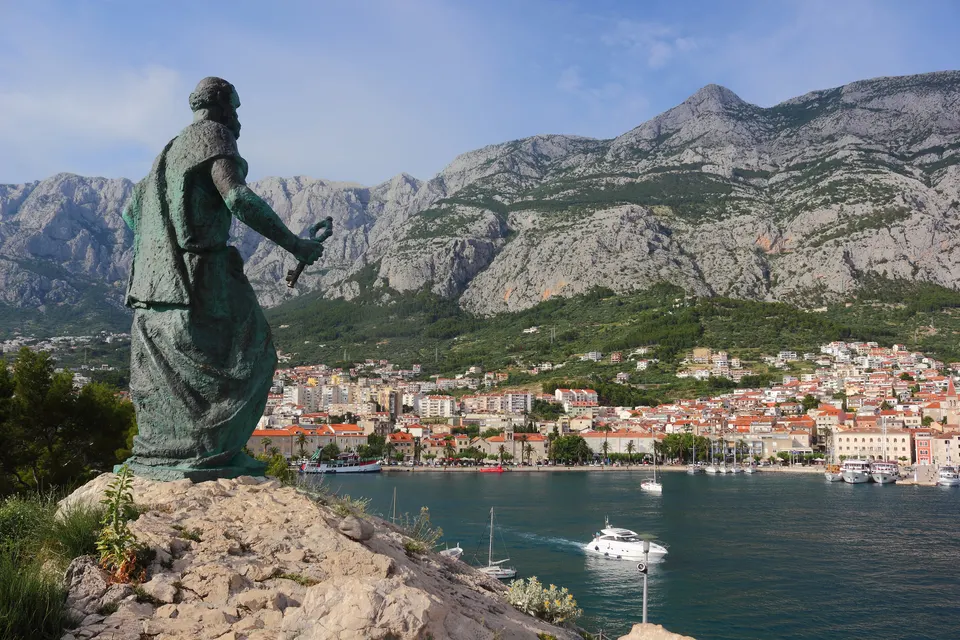

Makarska sits on the Adriatic coastline of Croatia, in Split-Dalmatia County, and the Makarska Co-cathedral stands in the town. The Nugal Beach is the coastal sight, and the sea is the setting for the whole stay. The coast is the main reason to visit, and the town is a base for the Adriatic side of Croatia.
About 13,000 people live in Makarska, in Split-Dalmatia, Croatia.
Why go to Makarska?
Makarska suits a Sun & Beach trip, with Nature & Hiking as a second side to the coast. The Nugal Beach is the main draw for the sea, and the town's cathedral gives the stay a religious sight. Split is a nearby town, reached by bus, and Omiš is a nearby town on the coast road too. Dubrovnik is a bus link further down the coast, and Kupres is a bus link inland. The town is one of the stops on the Split-Dalmatia coast, with the sea as the setting for the stay.
When is the best time to visit Makarska?
Expect daytime highs of about 28 °C in July and August, falling to 9 °C in January. If you are after beach holidays, aim for June, July and August. If you are after nature and hiking trips, aim for April, May and October.
How do I get to Makarska without flying?
You can get to Makarska without changing from 4 destinations, by bus. With changes, Makarska is within 14 hours of 404 destinations without flying. From Split, it takes 1h 10m by bus with FlixBus-eu, with about 1.4 kg of CO₂ per person. Travelling from Dubrovnik, allow 3h 01m by bus with FlixBus-eu; that is about 3.1 kg of CO₂ per person. Omiš is 45 min away by bus with FlixBus-eu, with about 0.8 kg of CO₂ per person.
What to do in Makarska
Makarska Co-cathedral
A cathedral in Makarska.
Nugal Beach
A beach in Makarska.
Beach holidays in Makarska
June is the ideal month for beach holidays, with average highs of 25 °C.
Nature and hiking trips in Makarska
October is the ideal month for nature and hiking trips, with average highs of 19 °C.