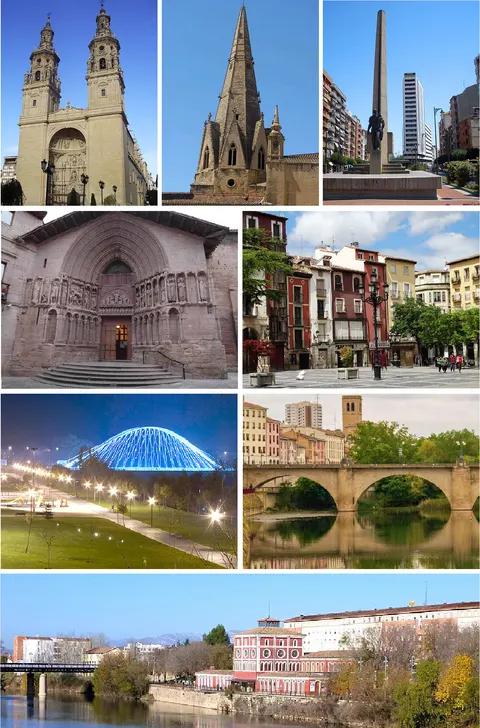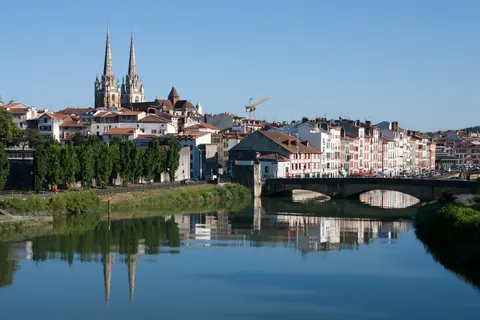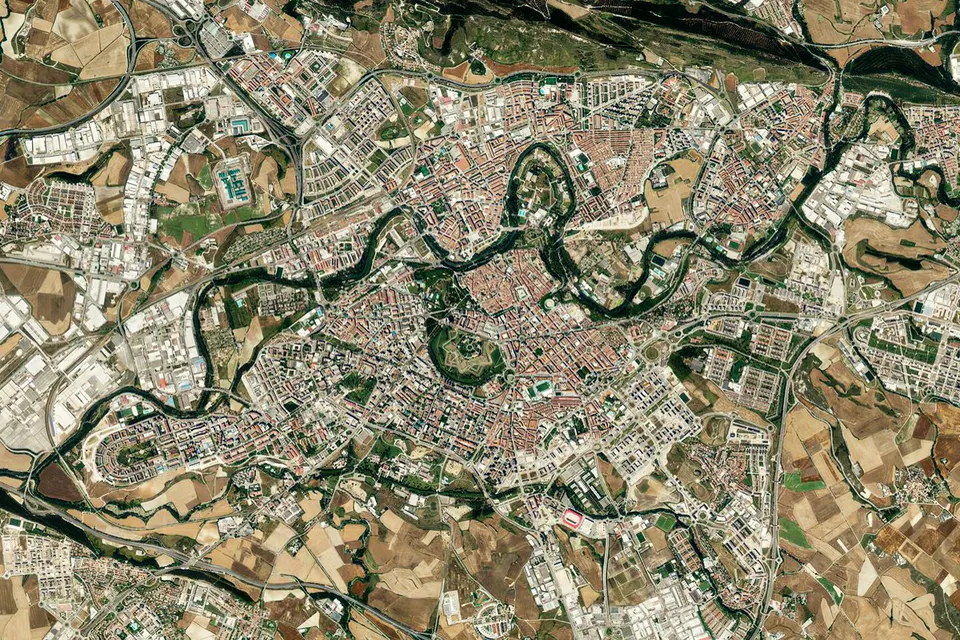

Pamplona is the capital of the Chartered Community of Navarre in northern Spain, and it was once known in English as Pampeluna. The old city sits within its citadel and walls, and the cathedral and the palaces stand close to one another. The walk from the cathedral to the citadel is short. The Museum of Navarre adds the regional story to the walk.
Pamplona, in Navarre, Spain, is home to about 208,000 people and works as a rail hub.
Why go to Pamplona?
Pamplona suits a City & Culture trip with a cathedral, a citadel and a museum of the region. The Pamplona Cathedral is the main church, and the Church of San Cernín, San Nicolás and the Church of San Lorenzo add more interiors. The Palace of the Kings of Navarre and the Palacio de Navarra are the palace stops, and the Museum of Navarre covers the region's history. The Citadel of Pamplona is a park-type stop with a fortified setting, and the Taconera is a park. The Monument to the Fueros of Navarre adds a civic note to the walk. Each stop is close by.
When is the best time to visit Pamplona?
In July and August the average high reaches 25 °C; in January it is closer to 8 °C. Any month suits city breaks.
How do I get to Pamplona without flying?
Pamplona has direct bus or train links to 5 destinations. Within 14 hours, travellers from 1,258 destinations can get here without flying. The train from Madrid with RENFE OPERADORA takes 3h 25m; that is about 3 kg of CO₂ per person, 96% less than the 73 kg of a flight. San Sebastian is 2h 15m away by train with RENFE OPERADORA, with about 0.6 kg of CO₂ per person. Travelling from Zaragoza, allow 1h 48m by train with RENFE OPERADORA; that is about 1.4 kg of CO₂ per person.
What to do in Pamplona
Pamplona Cathedral
The cathedral is the main church of the city, and its interior is a formal stop in the old town. Look at the facade before going in, and it is a good first stop on the walk.
Citadel of Pamplona
The citadel is a park-type stop with a fortified setting, and the walk around it gives the city a green edge. It is a stop with a clear history behind it.
Museum of Navarre
The Museum of Navarre covers the region's history and art, and it is the stop for anyone who wants the regional story.
Monument to the Fueros of Navarre
The monument marks the charter rights of the region, and it adds a civic note to the walk through the town. It is a short stop.
Palace of the Kings of Navarre
The palace is the seat of the old kings of Navarre, and its formal rooms give the centre a royal presence.