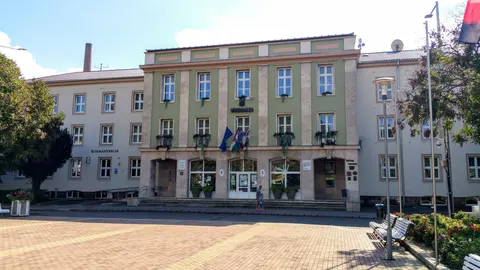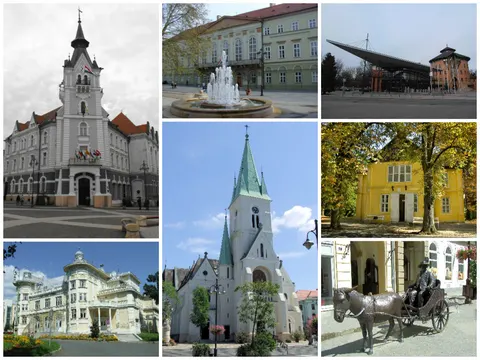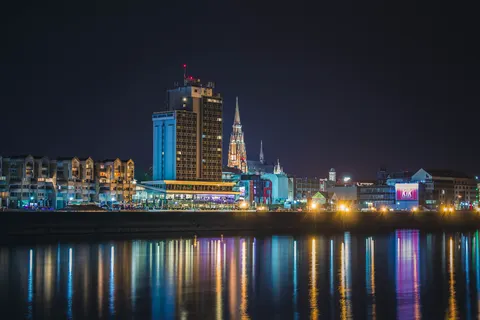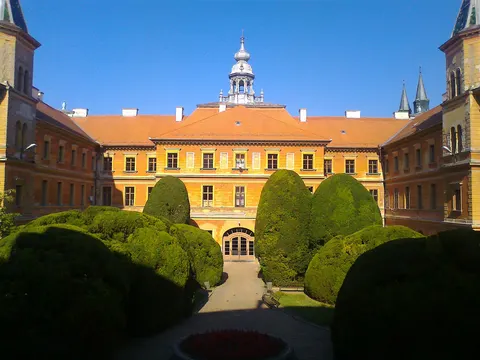

Pécs is the fifth-largest city in Hungary, on the slopes of the Mecsek mountains in the country's southwest, close to the Croatian border. It is the administrative and economic centre of Baranya County and the seat of a Roman Catholic diocese. The city has the oldest university in Hungary and is one of the country's major cultural centres. It has the largest number of Ottoman Turkish buildings of any city in Central Europe, and it has been named a European Capital of Culture.
About 145,000 people live in Pecs, in Baranya, Hungary, and its station is a rail hub.
Why go to Pecs?
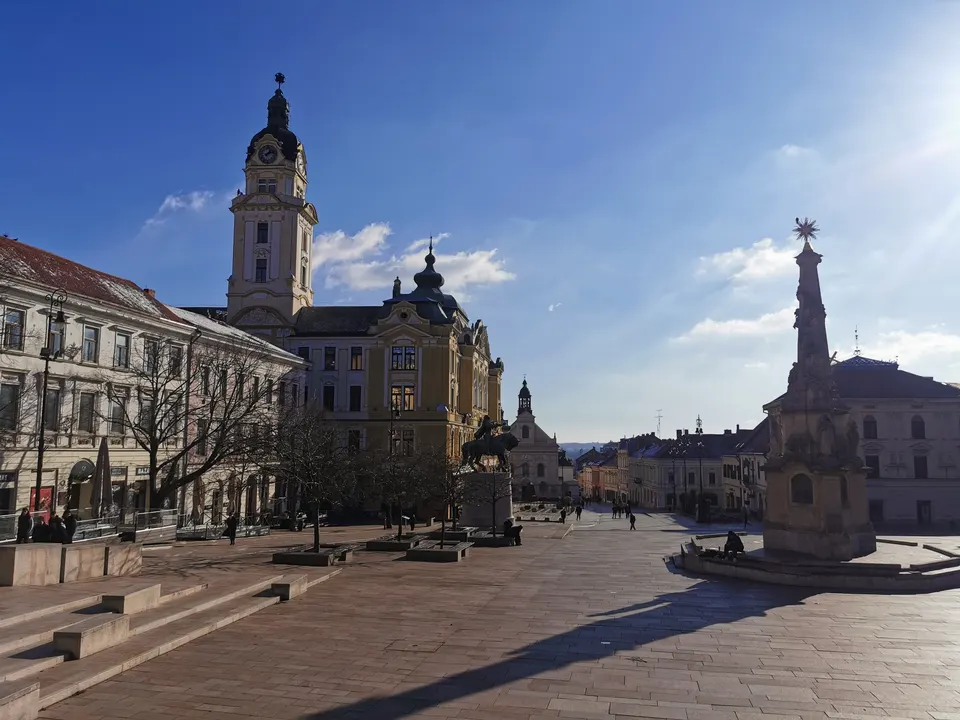
Pécs has a layered past, with Roman, medieval and Ottoman heritage side by side. The Early Christian Necropolis, with Roman tombs and mausoleums from around the 4th century, is a UNESCO World Heritage Site. The Gazi Kasim Mosque still stands on the main square. It was consecrated as a church after the Ottoman retreat, yet the crescent moon is still visible on its cupola, surmounted by a cross. The Yakovalı Hasan Paşa Mosque, from the mid-1600s, still functions as an active mosque. The Zsolnay Museum and the Janus Pannonius Museum are among the city's museums, and the Széchenyi square is the main square of the city.
When is the best time to visit Pecs?
Expect daytime highs of about 27 °C in July, falling to 3 °C in January. If you are after city breaks, aim for April, May and September.
How do I get to Pecs without flying?
You can get to Pecs without changing from 10 destinations, by bus or train. With changes, Pecs is within 14 hours of 1,080 destinations without flying. From Budapest, it takes 2h 30m by train with MAV, with about 3 kg of CO₂ per person against 39 kg for the flight, 92% less. Travelling from Osijek, allow 2h 18m by bus; that is about 1.8 kg of CO₂ per person. Kaposvár is 1h 15m away by train with MAV, with about 0.5 kg of CO₂ per person.
What to do in Pecs
Early Christian Necropolis of Pécs
Roman tombs and mausoleums from around the 4th century, inscribed as a World Heritage Site in 2000.
Gazi Kasim Mosque
A mosque on the main square that was originally a Gothic church, with a crescent still visible on its cupola.
Yakovalı Hasan Paşa Mosque
An active mosque, open to the public except during Friday services.
Zsolnay Museum
A museum devoted to the Zsolnay ceramics that form part of the city's heritage.
Klimo Library
The first public library in Hungary, founded by Bishop George Klimo.