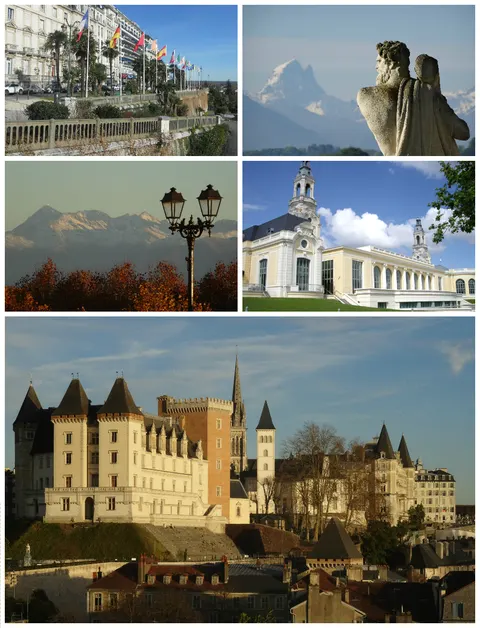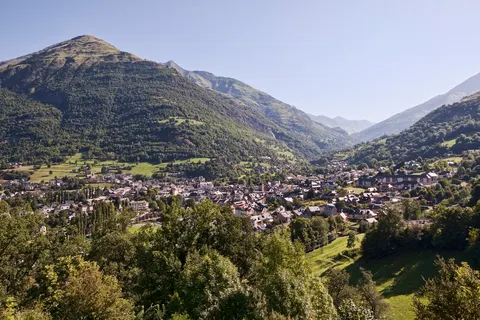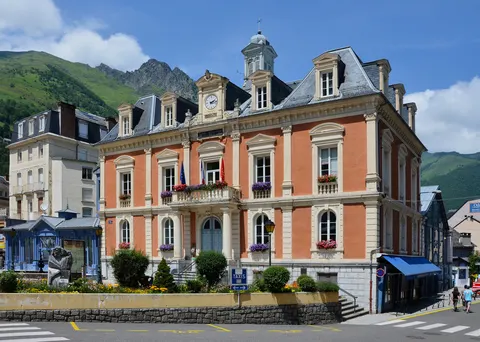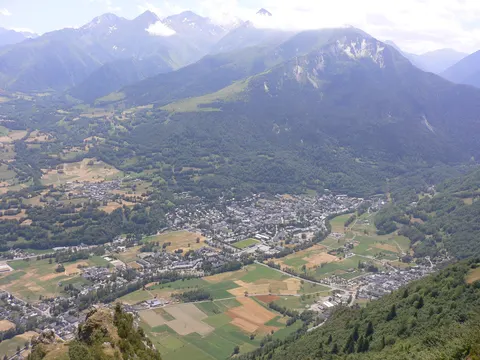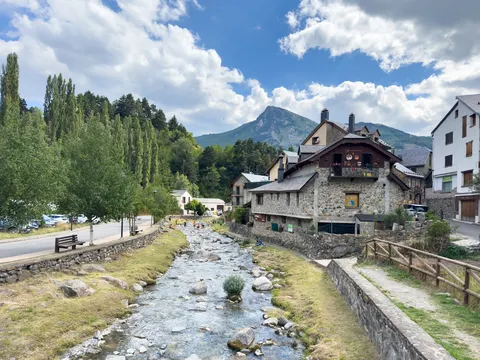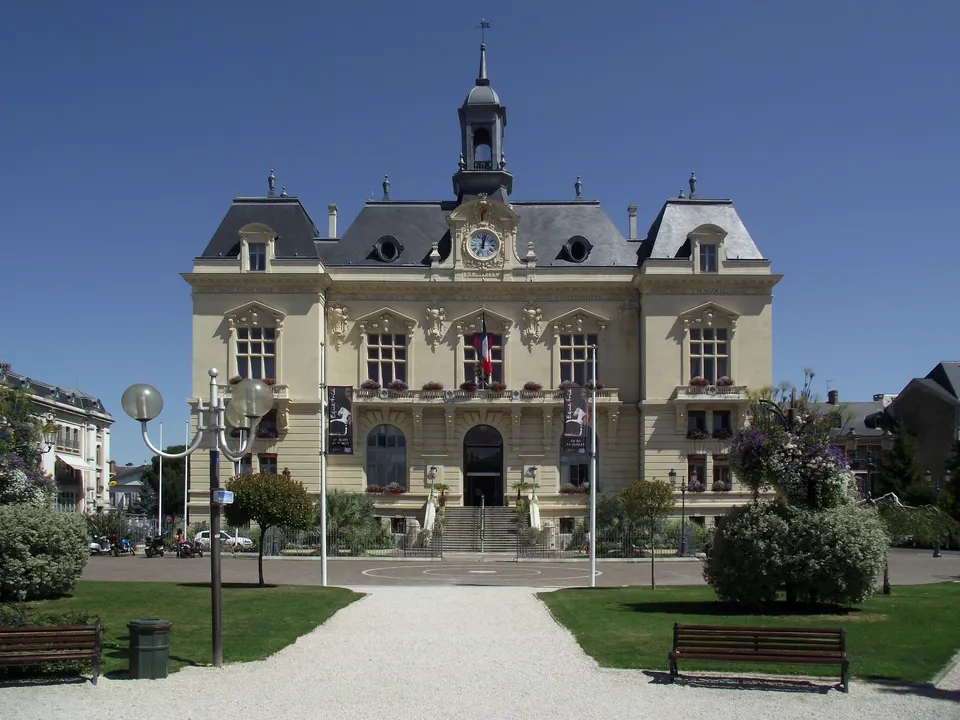

Tarbes is the capital of Bigorre and of the Hautes-Pyrénées department in south-western France, in the Occitanie region and the historic region of Gascony. It has been a commune since 1790 and was known as Tarba in Roman times. The town's nickname, market town, reflects its agriculture and food industry, and it is the seat of the diocese of Tarbes-et-Lourdes.
With about 52,000 inhabitants, Tarbes lies in Occitanie, France, and is a rail hub.
Why go to Tarbes?
Tarbes has moved from a strong industrial past toward aeronautics and high-tech activity, while still calling itself a market town. Its regional specialties include the Tarbais bean, which a cooperative grows and processes at the heart of the Bastillac zone. The Massey Museum has a rich collection of fine arts and hosts the International Museum of the Hussars in a Moorish-style building. The Museum of Deportation and Resistance was founded by former deportees and resistance fighters. In the town, the birthplace of Marshal Foch preserves his room with its alcove and office, and a record store reserved for vinyl collectors draws visitors from France and abroad.
When is the best time to visit Tarbes?
Average highs range from 10 °C in January and December to 24 °C in July and August.
How do I get to Tarbes without flying?
Direct bus or train services link Tarbes with 11 destinations. Allowing for changes, 1,724 destinations are no more than 14 hours away without flying. Toulouse is 1h 29m away by train with SNCF VOYAGEURS, with about 0.3 kg of CO₂ per person. The bus from Pau with BlaBlaCar Bus takes 30 min; that is about 1 kg of CO₂ per person. From Lourdes, it takes 13 min by train with SNCF VOYAGEURS, with about 0.1 kg of CO₂ per person.
What to do in Tarbes
Tarbes Cathedral
A cathedral in Tarbes.
Musée Massey
A museum in Tarbes.
Travel on from Tarbes
Direct links run to Toulouse, Pau and Lourdes.