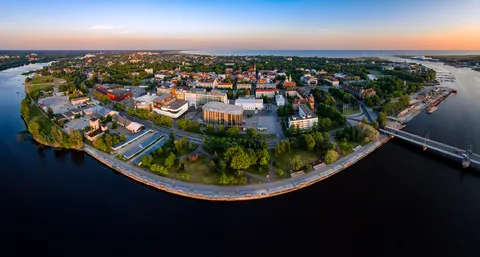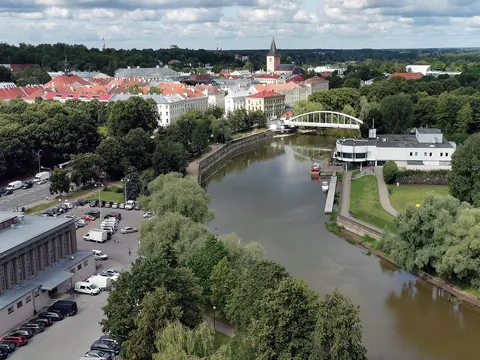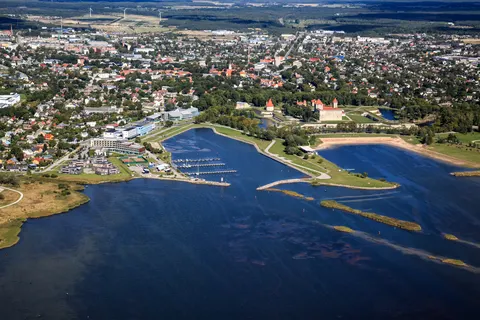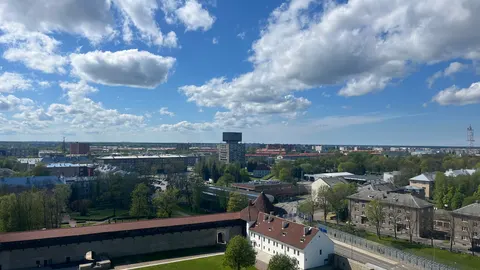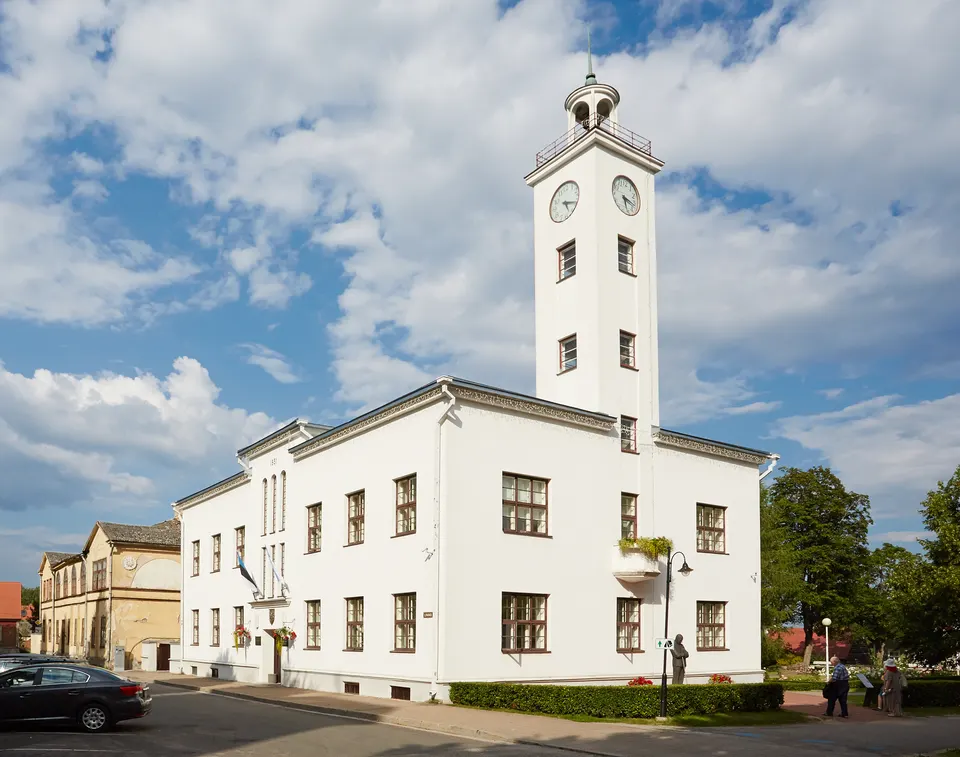

Viljandi is a city and municipality in southern Estonia and the capital of Viljandi County. It lies between the cities of Pärnu and Tartu, on the north-western shore of Lake Viljandi, in a primeval valley.
With about 17,000 inhabitants, Viljandi lies in Viljandimaa, Estonia.
Why go to Viljandi?
Viljandi is sometimes called the cultural capital of Estonia, partly because the Viljandi Culture Academy is based there. The Ugala drama theatre has been running since 1920, and the open-air performance tradition began the same year. The Estonian Traditional Music Centre works from a restored storehouse in the castle ruins, teaching and promoting traditional music. Castle Park, a nature-protected park, is the largest green area in the city.
When is the best time to visit Viljandi?
Average highs range from -3 °C in February to 21 °C in July.
How do I get to Viljandi without flying?
Direct bus or train services link Viljandi with 3 destinations. Allowing for changes, 137 destinations are no more than 14 hours away without flying. Tallinn is 1h 58m away by train with ELRON, with about 2.9 kg of CO₂ per person. The bus from Tartu with AS Lux Express Estonia takes 1h 01m; that is about 1.8 kg of CO₂ per person. From Pärnu, it takes 1h 16m by bus with AS Lux Express Estonia, with about 1.7 kg of CO₂ per person.
What to do in Viljandi
Viljandi Castle ruins
The Livonian Order built the castle on the site of the old hillfort, and the ruins still stand in the town.
Castle Park
A nature-protected park, the largest green area in the city.
Ugala Theatre
The drama theatre, which has run since 1920 and holds open-air performances.
Kondas Centre
Dedicated to the Estonian naïve artist Paul Kondas, with exhibitions of naïve art.