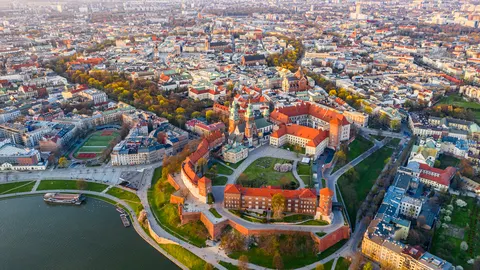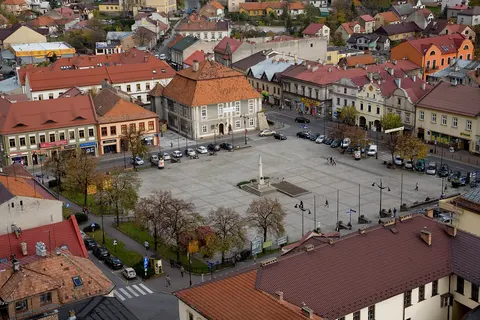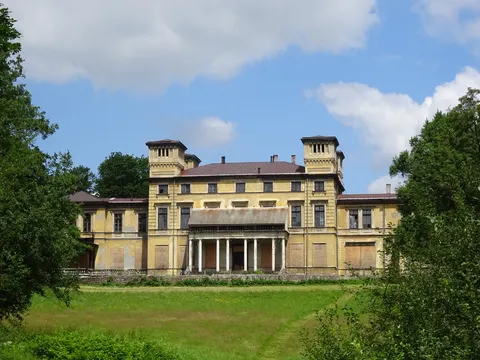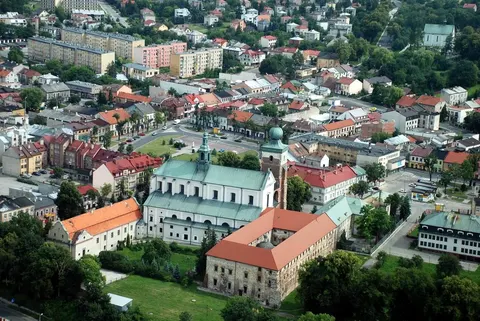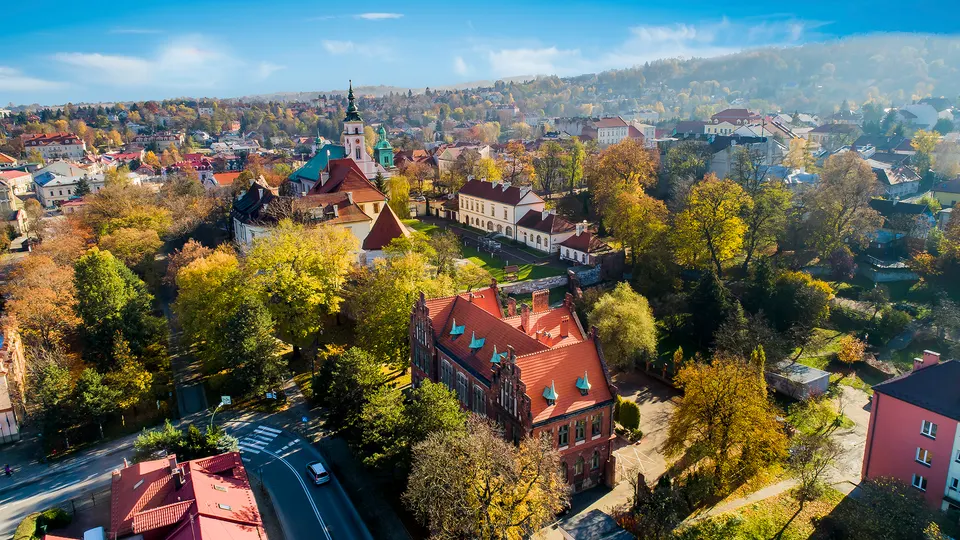

Wieliczka is a historic town in southern Poland within the Kraków metropolitan area, in the Lesser Poland Voivodeship. It was founded by Premislaus II of Poland, and it is best known for its salt mine. The town sits in the wider Kraków area and is linked with the city by its shared metropolitan life.
With about 19,000 inhabitants, Wieliczka lies in Lesser Poland, Poland.
Why go to Wieliczka?
Wieliczka is best known for its salt mine, which has been a UNESCO World Heritage Site since 1978. The historic old town core is listed as a national monument. Wieliczka and the nearby village of Lednica Górna are among the last places in Poland where the Easter tradition of Siuda Baba is still practised, which gives the area a living folk custom.
When is the best time to visit Wieliczka?
Average highs range from 1 °C in January to 23 °C in July and August. Skiing works best in January, February and December. May, June and September are the time for nature and hiking trips.
How do I get to Wieliczka without flying?
Direct train services link Wieliczka with 3 destinations. Allowing for changes, 1,220 destinations are no more than 14 hours away without flying. Krakow is 13 min away by train with Koleje Małopolskie, with about 0.4 kg of CO₂ per person. The train from Tarnów with Polregio takes 54 min; that is about 2.2 kg of CO₂ per person. From Bochnia, it takes 18 min by train with Polregio, with about 0.9 kg of CO₂ per person.
What to do in Wieliczka
Wieliczka Salt Mine
A salt mine that has been a UNESCO World Heritage Site since 1978, and the best known sight of the town.
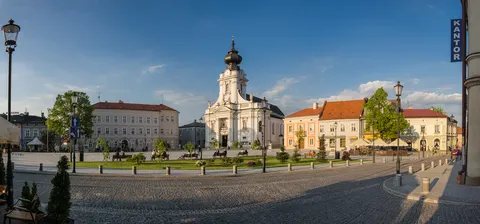
Historic old town
The old town core, listed as a national monument, which keeps the character of the historic town.