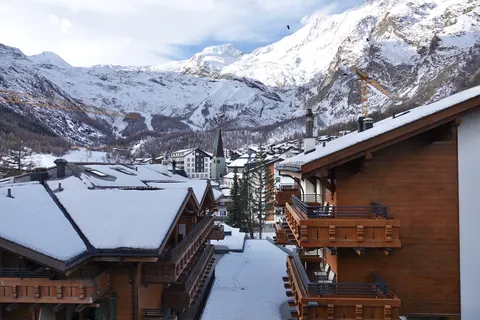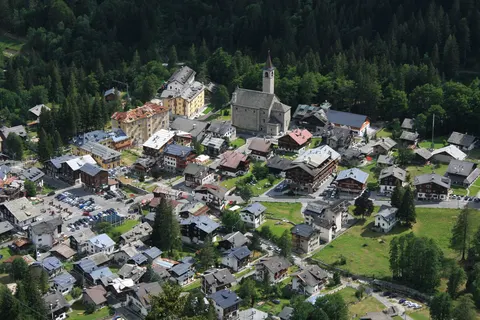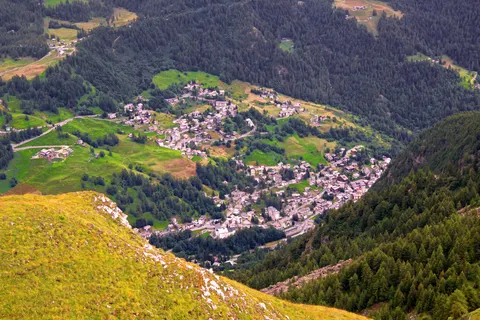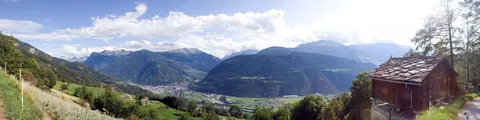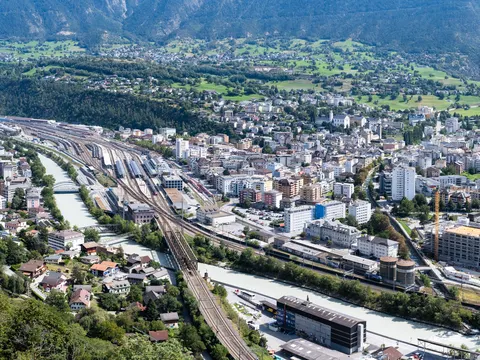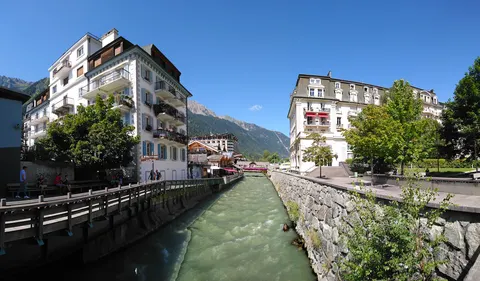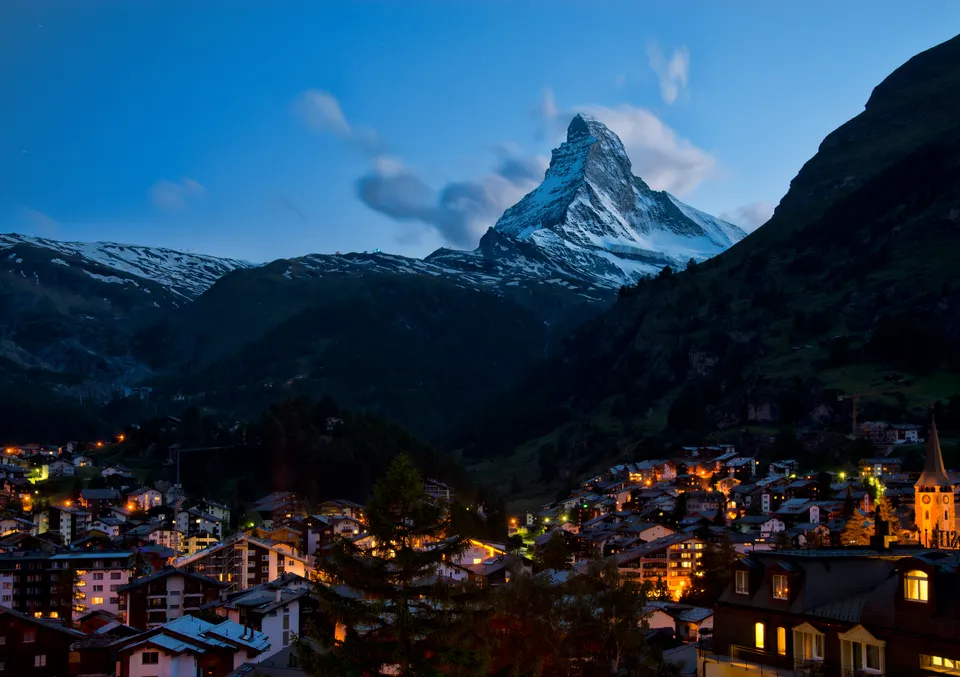

Zermatt is a municipality in the district of Visp in the Swiss canton of Valais, lying at the southern end of the Matter Valley at the foot of Switzerland's highest peaks. It has a year-round population of about 5,800. Much of the local economy is based on tourism. The town is famed as a mountaineering and ski resort, and the first ascent of the Matterhorn in 1865 brought a rush of visitors to the surrounding mountains.
About 6,629 people live in Zermatt, in Valais, Switzerland, and its station is a rail hub.
Why go to Zermatt?
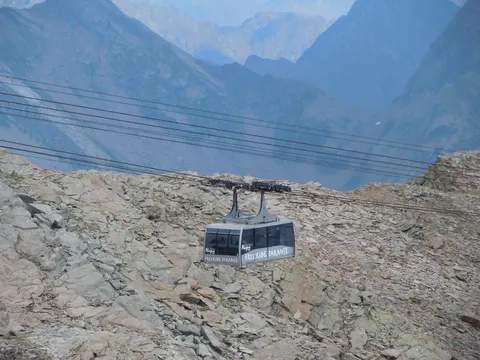
Zermatt is a base for high mountain country. The town is almost completely surrounded by the Pennine Alps, including Monte Rosa, whose tallest peak, the Dufourspitze, is Switzerland's highest point. The Matterhorn, first climbed in the 19th century, dominates the view, and the Matterhorn Museum tells the story of the first ascent, which ended with only three of the seven climbers surviving the descent. Cable cars and chair lifts carry skiers in winter and hikers in summer. The Gornergratbahn, the highest open-air railway in Europe, climbs to the Gornergrat. Zermatt is also the western terminus of the Glacier Express.
When is the best time to visit Zermatt?
Expect daytime highs of about 18 °C in July, falling to -4 °C in January and December. For skiing, go in January, February and December. If you are after nature and hiking trips, aim for June, July and August.
How do I get to Zermatt without flying?
You can get to Zermatt without changing from 8 destinations, by train. With changes, Zermatt is within 14 hours of 2,036 destinations without flying. From Monaco, it takes 8h 30m by train with SBB, with about 1.5 kg of CO₂ per person against 33 kg for the flight, 95% less. Travelling from Interlaken, allow 2h 12m by train with SBB/MGB; that is about 2 kg of CO₂ per person. Visp is 1h 12m away by train with MGB, with about 1 kg of CO₂ per person.
What to do in Zermatt
Riffelsee
A lake in Zermatt.
Riffelalp decauville
A museum in Zermatt.
Skiing in Zermatt
February is the ideal month for skiing, with average highs of -2 °C.
Nature and hiking trips in Zermatt
July is the ideal month for nature and hiking trips, with average highs of 18 °C.