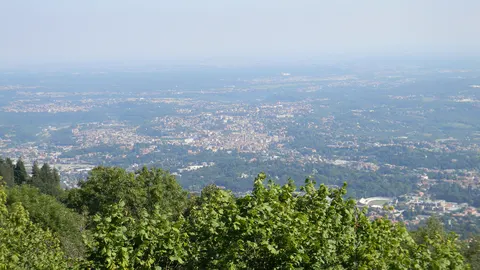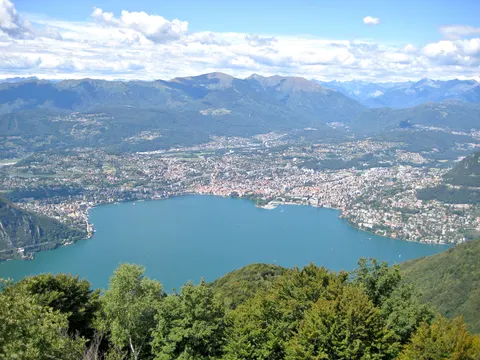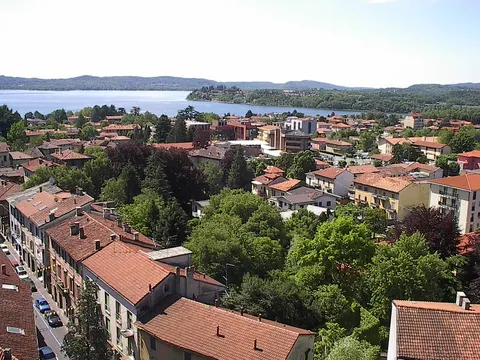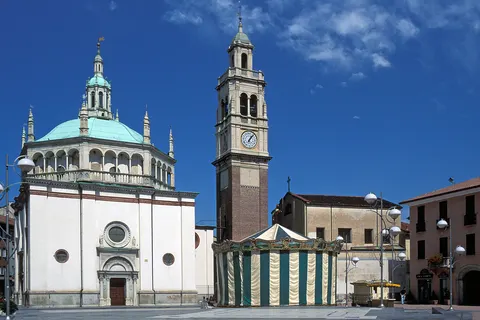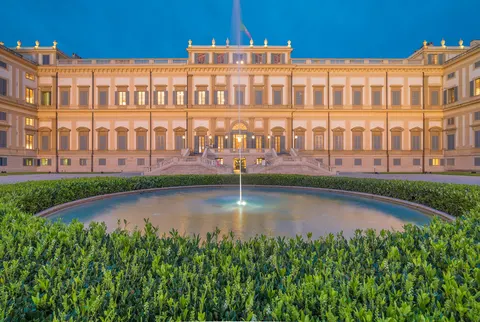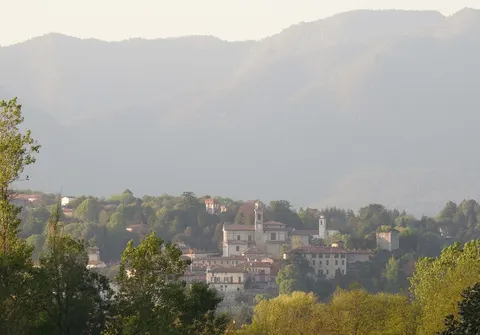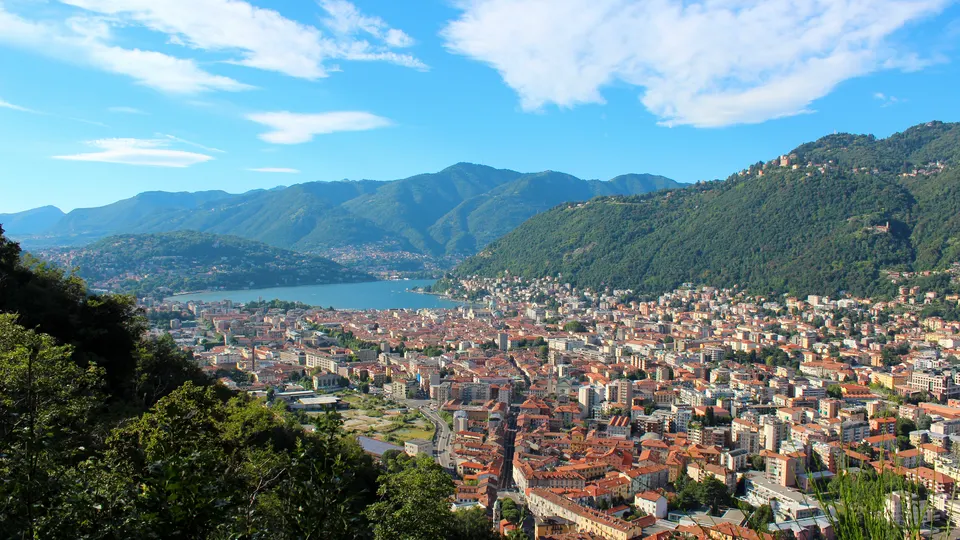

Como sits on the shore of its lake in Lombardy, and it serves as the administrative centre of the province. The old town gathers around the cathedral and the Broletto, and the Castello Baradello rises above the roofs. The lakeside walk links most of the sights. Its museums sit close to the cathedral. Each stop is close to the next.
Como, in Lombardy, Italy, is home to about 85,000 people and works as a rail hub.
Why go to Como?
Como suits a City & Culture trip with a cathedral, churches and a range of museums. The Como Cathedral is the main church, and the Basilica of Sant'Abbondio and the Basilica di San Fedele add more. The Broletto is a palace stop, and the Casa del Fascio is a modern building with its own story. The Giovio Musaeum and the Como Civic Art Gallery cover history and art, and the Tempio Voltiano is a museum on electricity. Castello Baradello is the castle stop above the town, and Life Electric is a monument stop in the town. Each stop is a short walk from the cathedral.
When is the best time to visit Como?
In July the average high reaches 28 °C; in January and December it is closer to 7 °C. Any month suits city breaks.
How do I get to Como without flying?
Como has direct bus or train links to 7 destinations. Within 14 hours, travellers from 2,166 destinations can get here without flying. The train from Milan with Trenitalia/Trenord takes 36 min; that is about 1 kg of CO₂ per person. Bologna is 4h 26m away by bus with FlixBus-eu, with about 6.2 kg of CO₂ per person against 53 kg for the flight, 88% less. Travelling from Turin, allow 2h 46m by bus with FlixBus-eu; that is about 3.7 kg of CO₂ per person.
What to do in Como
Como Cathedral
The cathedral is the main church of the old town, and its interior is a formal stop on the walk.
Castello Baradello
Castello Baradello is the castle above the town, and the climb up gives a view over the roofs and the lake.
Tempio Voltiano
The Tempio Voltiano is a museum that tells the story of electricity in the town. Its displays are a different kind of stop from the churches.
Giovio Musaeum
The Giovio Musaeum is a museum of the town's history, and it gives the walk a local story. It is an easy stop near the cathedral.
Casa del Fascio
The Casa del Fascio is a modern building with its own story, and it marks a different chapter in the city's architecture.