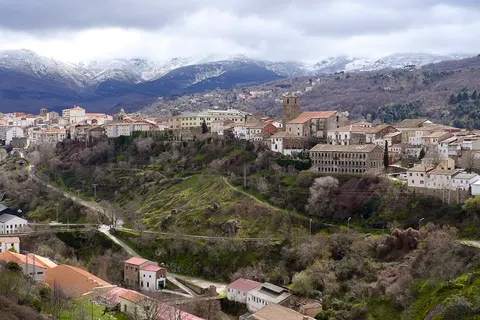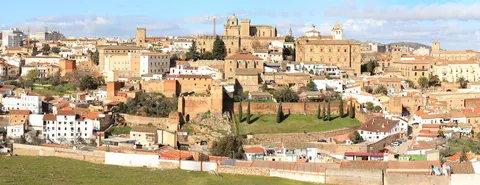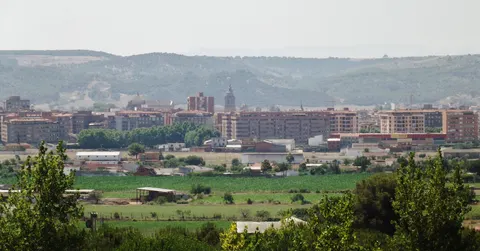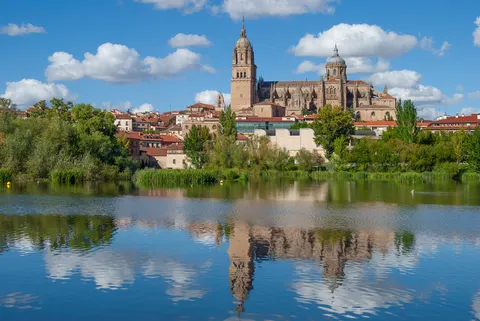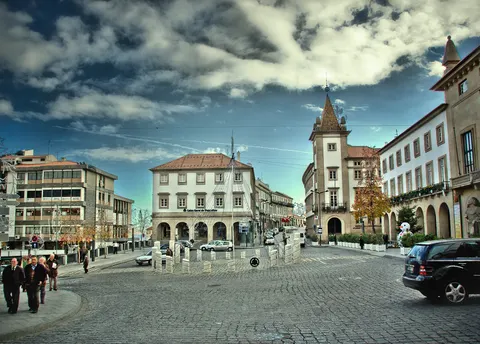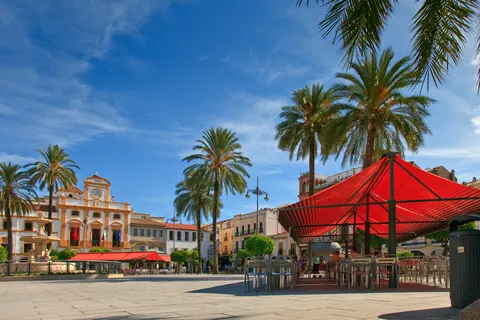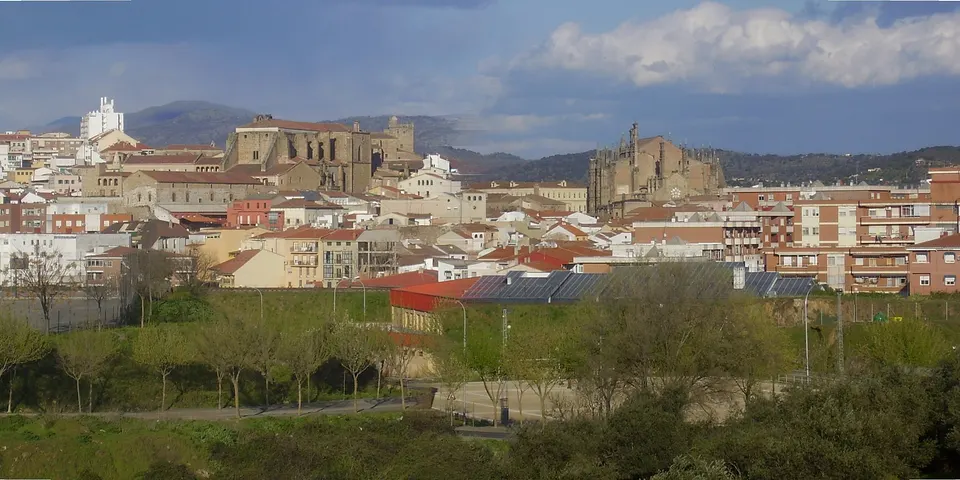

Plasencia is a city and municipality in the northern part of the province of Cáceres in Extremadura, Spain. It lies at the gateway to the Valle del Jerte, though administratively it does not belong to it. It is the second most populous municipality in the province and the fourth in the region, and it is the seat of its own diocese. Alfonso VIII of Castile founded it as a city in 1186, during the Reconquista. Its historic centre is a declared cultural heritage site.
Plasencia is in Extremadura, Spain, and has a population of about 40,000; it is also a rail hub.
Why go to Plasencia?
Plasencia is a city of cathedrals, bridges and fountains. Its New Cathedral was planned to replace the Old Cathedral, but work stopped in 1760, leaving a building with a choir by Rodrigo Alemán. The city has three monumental bridges across the Jerte River, including the Puente Nuevo, which carries a shield of the Catholic Monarchs. The medieval aqueduct keeps fifty-five arches, most of them in the San Antón neighbourhood. The Caño de San Pedro fountain once supplied water to the walled city, and the Holy Week and Martes Mayor festivals bring the streets to life.
When is the best time to visit Plasencia?
July is the warmest, with highs of about 33 °C, and January is the coolest, at about 11 °C. City breaks work best in March, April and October.
How do I get to Plasencia without flying?
From 3 destinations you can travel to Plasencia directly by bus or train. Counting connections, 367 destinations can reach it within 14 hours without flying. Travelling from Cáceres, allow 1h 08m by train with RENFE OPERADORA; that is about 0.6 kg of CO₂ per person. From Talavera de la Reina, it takes 1h 37m by train with RENFE OPERADORA, with about 1 kg of CO₂ per person. The bus from Béjar takes 1h 00m; that is about 1.3 kg of CO₂ per person.
What to do in Plasencia
Old Cathedral
A Romanesque cathedral with notable work by Juan Francés and a chapter house that is particularly noteworthy.
New Cathedral
Planned in the late 15th century to replace the Old Cathedral, with a main altarpiece by Gregorio Fernández.
Arcos de San Antón
The surviving arches of the medieval aqueduct, most of them in the San Antón neighbourhood.
Martes Mayor
One of the two festivals in the city declared of tourist interest, alongside Holy Week.