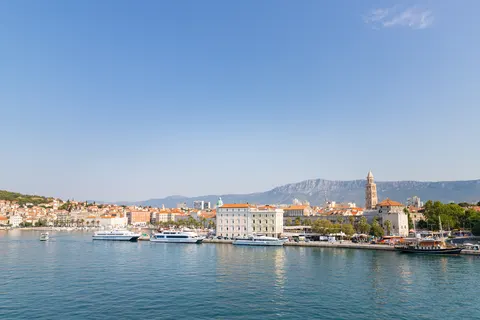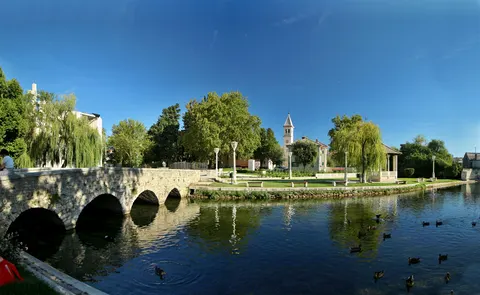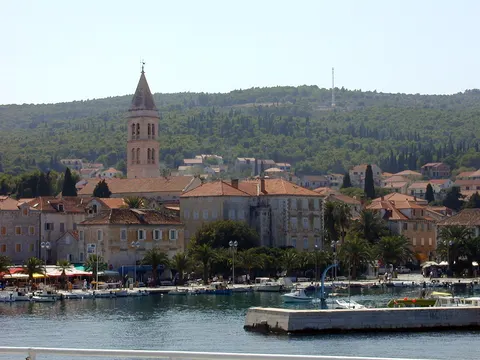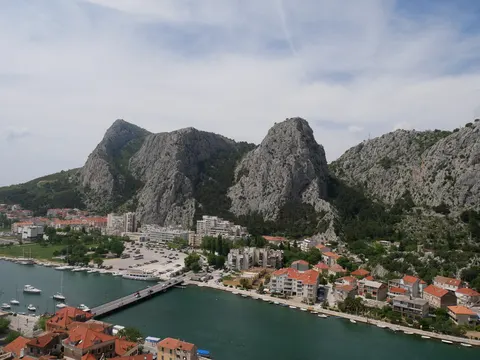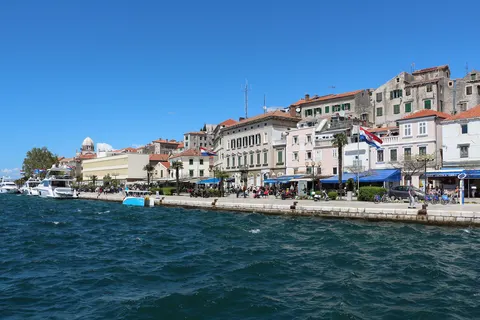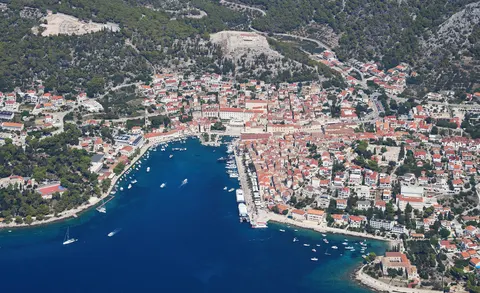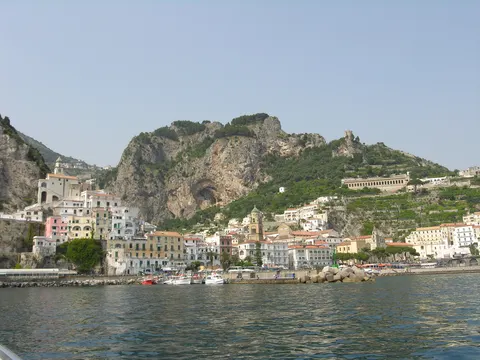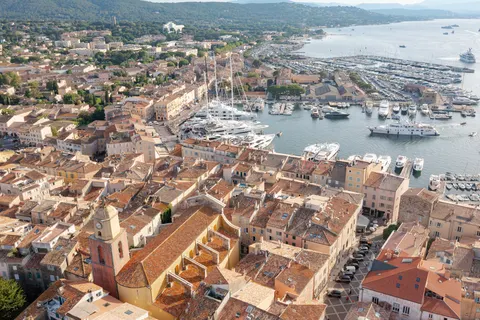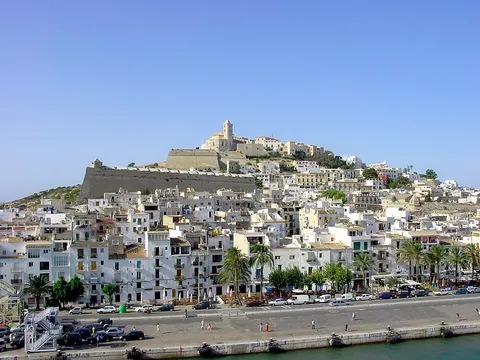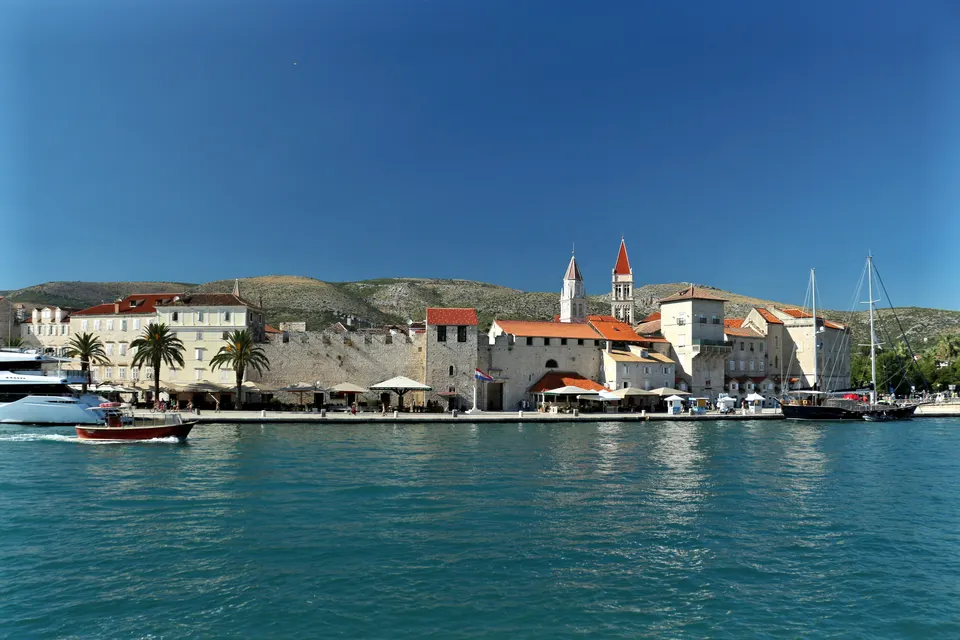

Trogir is a historic town and harbour on the Adriatic coast of Croatia, in Split-Dalmatia County, about 27 kilometres west of Split. Its old town sits on a small island between the mainland and the island of Čiovo, and bridges link it to both. The historic centre has been a UNESCO World Heritage Site since 1997 for its Venetian architecture.
With about 10,000 inhabitants, Trogir lies in Split-Dalmatia, Croatia.
Why go to Trogir?
Trogir is one of the best-preserved Romanesque-Gothic complexes on the Adriatic and in Central Europe. Its medieval core, surrounded by walls, holds a castle, a tower and a series of palaces from the Romanesque, Gothic, Renaissance and Baroque periods. The west portal of the cathedral is a masterpiece by the Dalmatian sculptor Radovan, and the old town has about 10 churches. The Garagnin-Fanfogna Palace houses a town museum and a library decorated with wall paintings of philosophers and writers.
When is the best time to visit Trogir?
Average highs range from 10 °C in January and February to 27 °C in July and August. June, July and August are the time for beach holidays. For city breaks, any month of the year works.
How do I get to Trogir without flying?
Direct bus services link Trogir with 4 destinations. Allowing for changes, 588 destinations are no more than 14 hours away without flying. Zagreb is 4h 30m away by bus with FlixBus-eu, with about 6.9 kg of CO₂ per person against 59 kg for the flight, 88% less. The bus from Split with FlixBus-eu takes 30 min; that is about 0.4 kg of CO₂ per person. From Sibenik, it takes 55 min by bus with FlixBus-eu, with about 1 kg of CO₂ per person.
What to do in Trogir
Trogir Cathedral
The church of St Lawrence is the town's grandest building. Its west portal by Master Radovan is the most significant Romanesque-Gothic work in Croatia.
Kamerlengo Fortress
A fifteenth-century fortress on a small island, part of the town's medieval core and its walls.
St Sebastian's Church
A Renaissance church built as a votive offering in thanks for deliverance from the plague. Its front is decorated with sculptures of St Sebastian and Christ the Saviour.
Garagnin-Fanfogna Palace
Two blocks of Romanesque and Gothic buildings joined in the 18th century. The palace houses a town lapidarium, a gallery and the town museum.