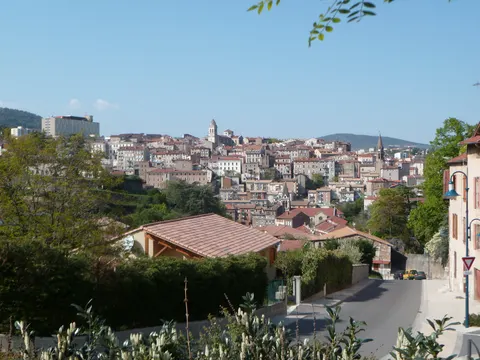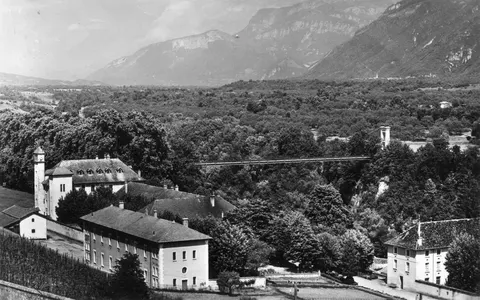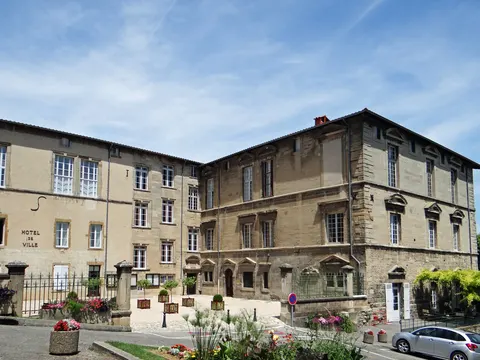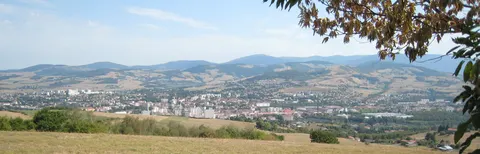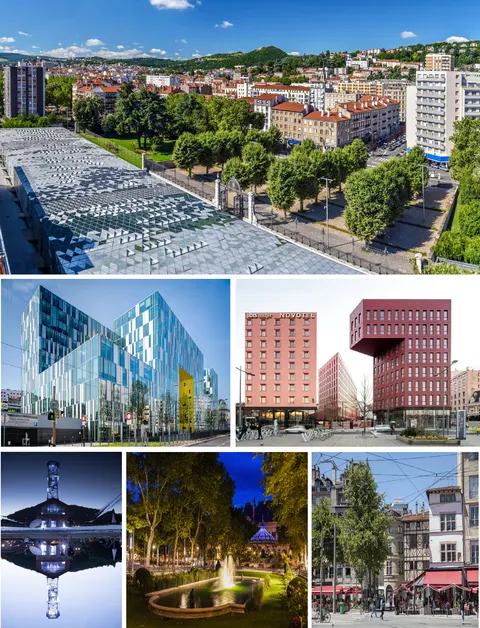

Valence is a commune in southeastern France, the prefecture of the Drôme department in the Auvergne-Rhône-Alpes region. It lies on the left bank of the Rhône, about 100 km south of Lyon, along the railway line from Paris to Marseille. The city is often called the door to the South of France.
Valence, in Auvergne-Rhône-Alpes, France, is home to about 64,000 people and works as a rail hub.
Why go to Valence?
Valence is a city of old streets on the Rhône, and its local saying, that at Valence the Midi begins, pays tribute to its southern culture. Its monuments include the Maison des Têtes, built in the 16th century, and the Saint-Apollinaire Cathedral, built in the 11th century. Many of the historic monuments are in Vieux Valence. The city was once a Roman colony and, later, the seat of a celebrated school before the Roman conquest.
When is the best time to visit Valence?
In July the average high reaches 28 °C; in January it is closer to 7 °C. Any month suits city breaks.
How do I get to Valence without flying?
Valence has direct bus or train links to 14 destinations. Within 14 hours, travellers from 2,153 destinations can get here without flying. The train from Paris with SNCF VOYAGEURS takes 2h 29m; that is about 1.2 kg of CO₂ per person, 99% less than the 109 kg of a flight. Dijon is 4h 46m away by bus with FlixBus-eu, with about 7.2 kg of CO₂ per person against 61 kg for the flight, 88% less. Travelling from Marseille, allow 2h 36m by bus with FlixBus-eu; that is about 5 kg of CO₂ per person, 88% less than the 43 kg of a flight.
What to do in Valence
Maison des Têtes
A house built in the 16th century by Antoine de Dorne, one of the best-known monuments in the city.
Saint-Apollinaire Cathedral
A cathedral built in the 11th century under Bishop Gontard.
Monumental fountain
A monumental fountain designed by the architect Eugène Poitoux.
Monument to Émile Augier
A monument to the dramatist Émile Augier, made by the duchess of Uzès.