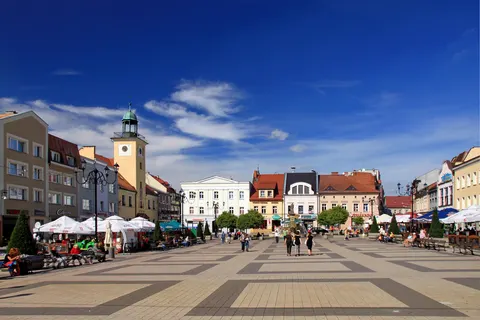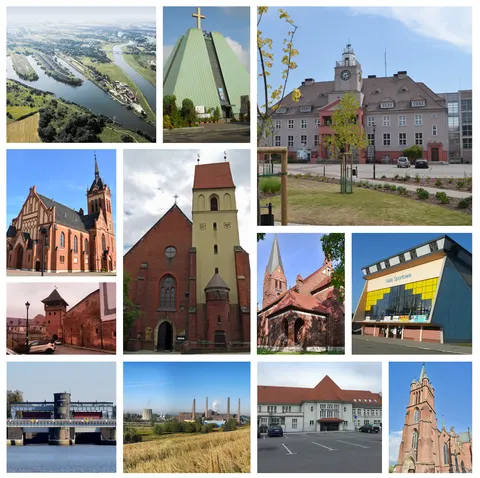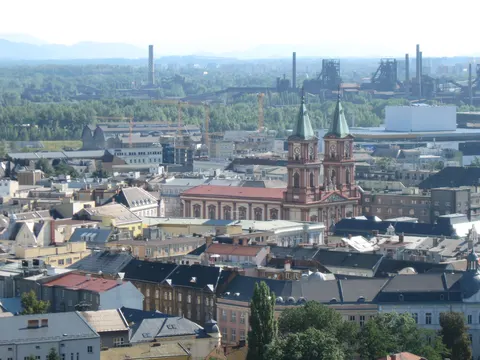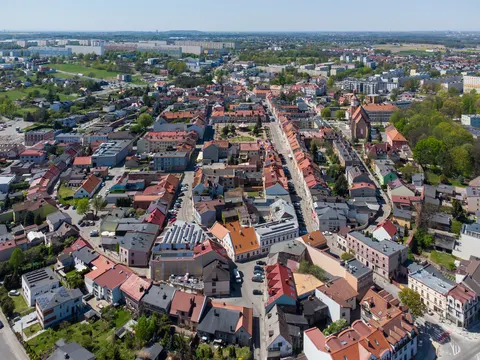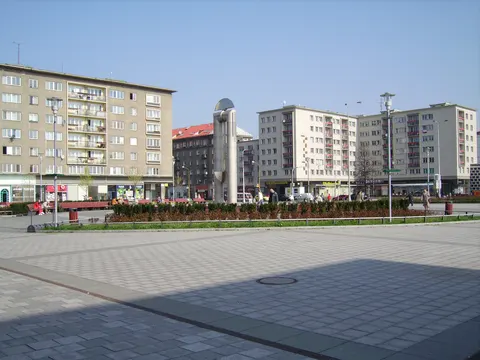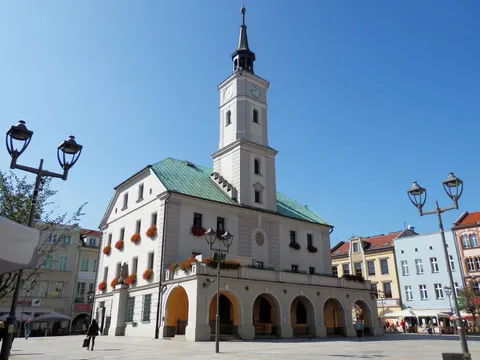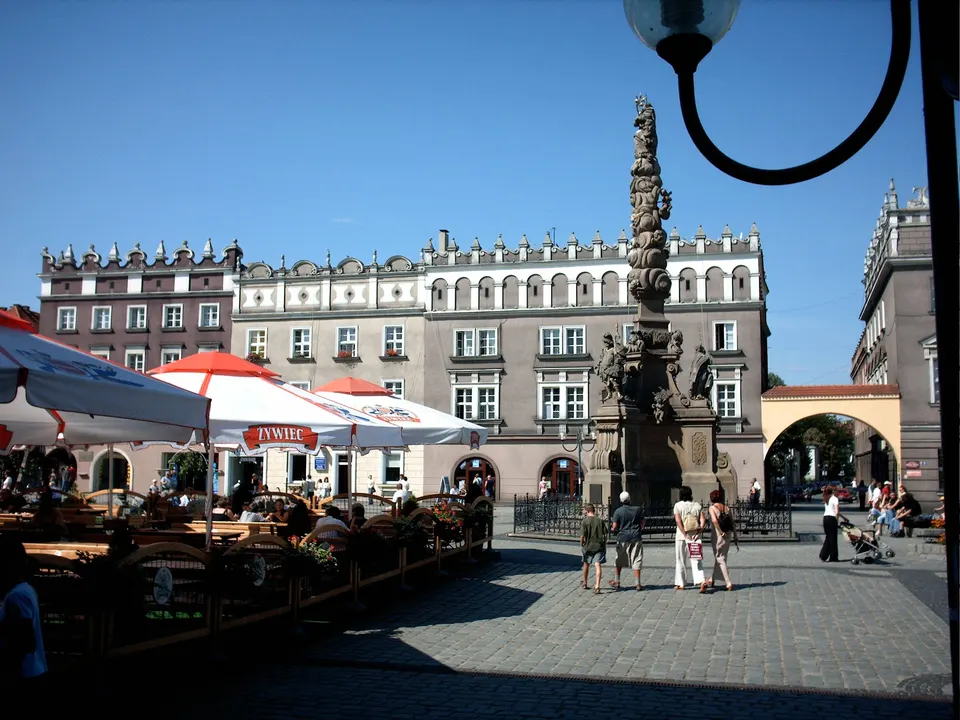

Racibórz is a city in the Silesian Voivodeship of southern Poland and the administrative seat of Racibórz County. It has roughly 55,000 inhabitants and sits on the upper Oder river, near the borders with the Opole Voivodeship and the Czech Republic. With Opole, it counts as one of the historic capitals of Upper Silesia, having been the residence of the Dukes of Racibórz for centuries.
Racibórz, in Silesia, Poland, is home to about 58,000 people and works as a rail hub.
Why go to Racibórz?
Racibórz matters for its long role in Upper Silesian history. The town is the site of an old hill fort where a trade route from the Moravian Gate to Kraków crossed the Oder, and it was the residence of the Dukes of Racibórz for several centuries. Its name comes from Duke Racibor, the city's founder. The officially protected traditional drink is its local beer, brewed in several styles. Austrian composer Ernst Toch named the town's German name, Ratibor, first of thirteen geographic locations in his 1930 Fuge aus der Geographie.
When is the best time to visit Racibórz?
In July and August the average high reaches 24 °C; in January it is closer to 1 °C.
How do I get to Racibórz without flying?
Racibórz has direct train links to 5 destinations. Within 14 hours, travellers from 1,716 destinations can get here without flying. The train from Vienna with PKP Intercity takes 5h 04m; that is about 4.9 kg of CO₂ per person, 85% less than the 32 kg of a flight. Gliwice is 50 min away by train with PKP Intercity, with about 1.3 kg of CO₂ per person. Travelling from Kędzierzyn-Koźle, allow 25 min by train with PKP Intercity; that is about 0.9 kg of CO₂ per person.
What to do in Racibórz
Racibórz Castle
A castle in Racibórz.
Chapel of St. Thomas Becket
A church in Racibórz.
Eichendorff memorial
A monument in Racibórz.
Saint James church in Racibórz
A church in Racibórz.